
Supporting Loved Ones Through Grief

March 2, 2026

August 30 is National Grief Awareness Day. At some point, each of us will face loss, and grief looks different for everyone. If someone you care about is hurting, supporting loved ones through grief can feel hard, and you may worry about saying the wrong thing. The good news is that your presence matters more than perfect words. This guide shares simple, caring ways to help, and how to know when extra support is needed.

Understanding Grief

Grief is a natural response to loss. It can come in waves, and it has no set timeline. People grieve in their own ways and at their own pace, so there is no single right way to do it. Healing takes time, and the loss often becomes a lasting part of someone’s life. You can also read our post on ways to cope with grief.

What to Say to a Grieving Loved One

You do not need the perfect words. Simple, honest ones help most. A few ideas:

  • Say the person’s name and share a warm memory
  • “I am so sorry. I am here for you.”
  • “I do not know what to say, but I care about you.”
  • Ask “How are you feeling today?” rather than “How are you?”

The Harvard Health Publishing guide on supporting a grieving friend suggests naming the person who died and offering hope rather than quick fixes.

What to Avoid Saying

Some well-meaning phrases can sting. Try to avoid:

  • “Everything happens for a reason”
  • “At least they lived a long life”
  • “I know exactly how you feel”
  • “You should be moving on by now”

When in doubt, listen more than you speak, and hold back on advice unless it is asked for.

Practical Ways of Supporting Loved Ones Through Grief
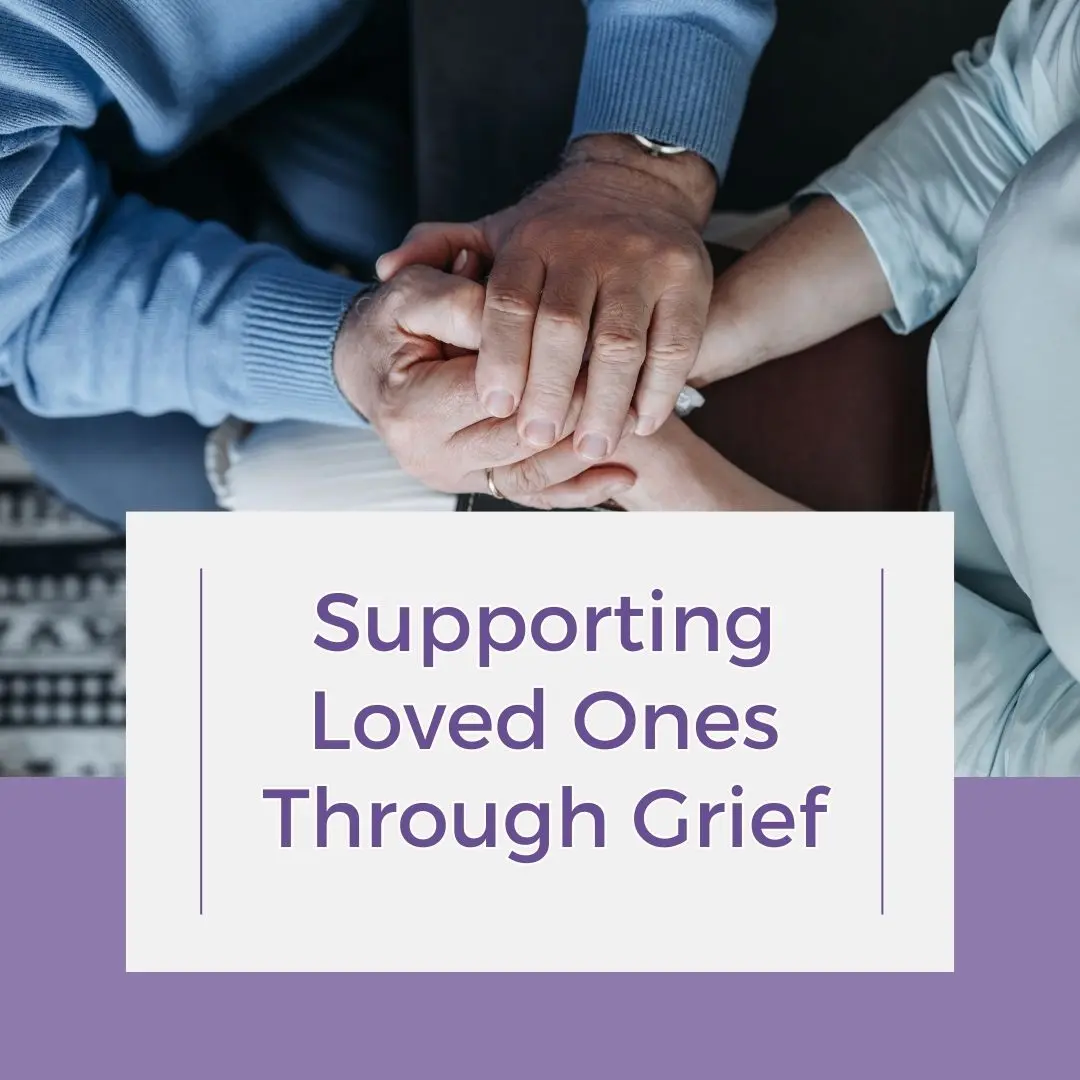
Grief can make everyday tasks feel heavy. Specific, hands-on help often means the most:

  • Send flowers or a card
  • Cook or deliver meals
  • Help with household chores
  • Run errands or help with shopping
  • Call or visit regularly
  • Offer a listening ear, without judgment
  • Offer hope and a caring presence

Instead of “let me know if you need anything,” try a specific offer, such as “Can I bring dinner on Tuesday?”

Keep Showing Up Over Time

Support is needed long after the first few weeks. Grief can resurface on birthdays, holidays, and anniversaries. Keep checking in over the months that follow, and mark those harder days with a call or a note. The Hospice Foundation of America notes there is no finish line for grief.

When Grief May Need Professional Support

Grief is not an illness, and most people move through it with time and support. Sometimes, though, extra help is useful. Consider gently encouraging professional support if a loved one’s grief does not ease over time, severely affects daily life, or comes with signs of depression. If they are thinking about harming themselves, help them reach support right away, and call or text 988 in the United States. A therapist or grief counselor can help, and you can read about our care for depression.

Frequently Asked Questions

How can I support a loved one through grief?

Show up, listen without judgment, offer specific practical help, and keep checking in over time. Your steady presence matters more than perfect words.

What should I not say to someone grieving?

Avoid minimizing phrases like “everything happens for a reason” or “at least,” and avoid rushing them or comparing losses.

How long does grief last?

There is no set timeline. Grief comes in waves and can resurface on meaningful days. It often becomes a lasting part of a person’s life.

When should someone get professional help for grief?

If grief does not ease over time, severely affects daily life, or comes with signs of depression or thoughts of self-harm, professional support can help.

Where to Get Help

When it comes to supporting loved ones through grief, small, steady acts of kindness matter most. If you or a loved one is struggling and needs extra support, help is available at Embracing Life Wellness Center. Our team offers compassionate care at our Florida offices in Riverview, Tampa, and Miami. Call (813) 662-5919 or contact us to schedule a consultation. You are not alone.