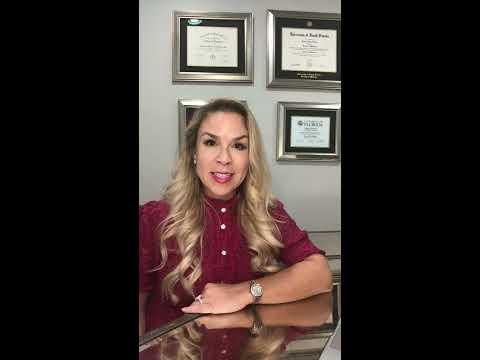
Recognizing and Treating Depression

March 2, 2026

October is National Depression and Mental Health Screening Month, a good time to learn the signs of depression and the options for treating depression. Depression is common and treatable. Some research estimates that about one in six people will experience depression at some point in life. This guide covers how to recognize depression, when to seek help, and the treatments available. It is for general education and is not medical advice.

What Is Depression?

Depression is more than a passing low mood. It is normal to feel sad sometimes, but it is diagnosed when symptoms last at least two weeks and affect your ability to function day to day. Symptoms can range from mild to severe.

Common Signs and Symptoms of Depression

It can look different from person to person. Common signs include:

  • A sad or low mood most of the day
  • Sleep changes, such as sleeping too much or too little
  • Appetite changes, with weight loss or gain
  • Excessive guilt
  • Feelings of hopelessness or helplessness
  • Low self-esteem, motivation, or energy
  • Trouble concentrating or making decisions
  • Irritability, especially in children
  • Thoughts of suicide

If you or someone you know is having thoughts of suicide, call or text 988 in the United States for immediate support.

Depression or Ordinary Sadness?

Sadness usually passes as circumstances change. It tends to last, often two weeks or more, and it affects daily life at home, work, or school. If low mood lingers or gets worse, it is worth talking with a professional.

Rule Out Other Medical Causes

Some medical conditions can cause symptoms that look like depression. That is one reason it helps to see a medical professional, who can review your health and rule out other causes before making a diagnosis.

Options for Treating Depression

After a diagnosis of major depressive disorder, there are several options for treating depression. A provider can help you choose based on your needs.

  • Talk therapy and counseling: Working with a therapist to build coping skills and address unhelpful patterns.
  • Antidepressant medication: Prescribed and monitored by a provider.
  • NeuroStar TMS therapy: A non-drug option that is FDA-cleared for adults with depression who have not improved with medication.

Learn more about our care for depression and NeuroStar TMS therapy.

Why Screening and Early Help Matter

The first step in getting help is recognizing there is an issue. Free, confidential screenings can be a simple starting point. Mental Health America offers online screening tools. Getting help earlier often makes treatment smoother.

When to Seek Help

If you or a loved one has had signs of depression for two weeks or more, do not wait to reach out. You can also read more about this condition from the National Institute of Mental Health.

Frequently Asked Questions

What are the signs of depression?

Common signs include a lasting low mood, sleep and appetite changes, low energy, trouble concentrating, feelings of hopelessness, and, in some cases, thoughts of suicide.

How is depression diagnosed?

A provider looks for symptoms that last at least two weeks and affect daily life, and rules out other medical causes.

What are the options for treating depression?

Common options include talk therapy, antidepressant medication, and non-drug NeuroStar TMS therapy for eligible adults.

Can depression be treated without medication?

Yes, for some people. Talk therapy helps many, and NeuroStar TMS is a non-drug option for adults who have not improved with medication.

When should I get help?

If symptoms last two weeks or more, get worse, or affect daily life, it is worth reaching out.

Where to Get Help

If you or a loved one is experiencing the signs of depression, support is available at Embracing Life Wellness Center. We offer counseling and treatment for a range of conditions, including depression, for individuals of all ages, at our Florida offices in Riverview, Tampa, and Miami. Call (813) 662-5919 or contact us to schedule an evaluation.