
Recognizing the signs you need to see a psychiatrist helps you access medical treatment before emotional distress disrupts your daily routine. Clear indicators include persistent depression lasting over two weeks, severe panic attacks, extreme mood swings, sleep disruptions, and any thoughts of self-harm.
A comprehensive psychiatric evaluation helps determine whether biological, environmental, or psychological factors are driving these changes. Identifying these symptoms early allows your clinical team to recommend targeted medications, psychotherapy, or specialized advanced care.
Key Takeaways
- Persistent symptoms that disrupt daily life may warrant psychiatric evaluation.
- Suicidal thoughts, self-harm, or psychosis require urgent care.
- Psychiatrists can provide medication, therapy coordination, and FDA-cleared TMS when appropriate.
What Are the Warning Signs of Mental Illness?
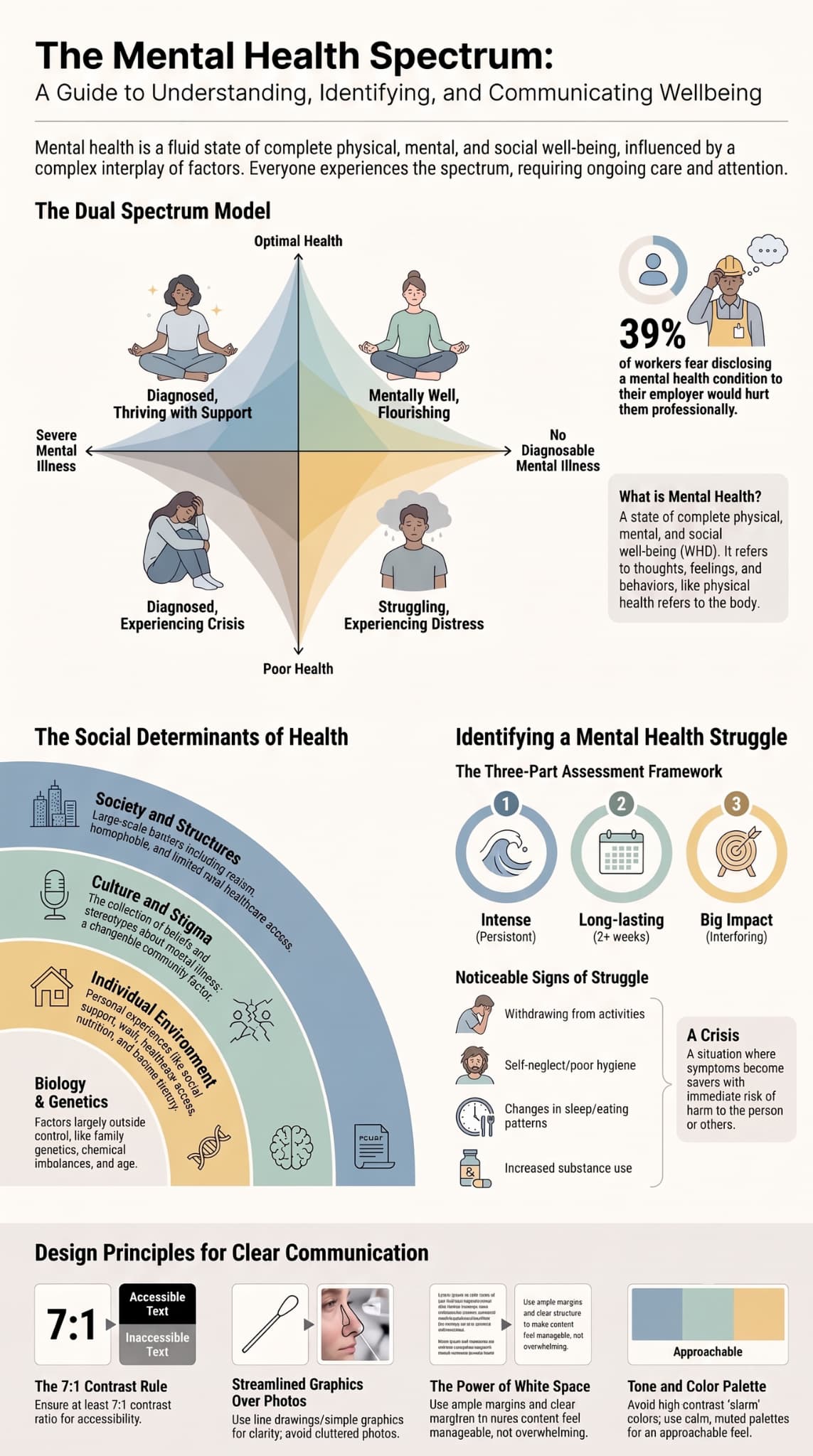
The primary warning signs of mental illness include persistent mood shifts, unmanageable anxiety, noticeable cognitive confusion, and severe social withdrawal. While occasional stress is normal, symptoms that continue for more than two weeks and interfere with work, school, or personal relationships warrant medical attention.
Daily functioning often declines when mental health concerns remain untreated. Basic responsibilities, such as eating regular meals, maintaining personal hygiene, or getting out of bed, can become difficult barriers. According to the American Psychiatric Association, noticing one or two of these changes does not predict a specific illness by itself, but it highlights the clear need for a professional evaluation.
Certain acute symptoms require prompt medical intervention rather than watchful waiting. These red flags include:
- Active thoughts of suicide or recent self-harm
- Auditory or visual hallucinations
- Severe confusion or total loss of contact with reality
- Rapid, extreme mood shifts and sudden dangerous behavior
“One or two of these symptoms alone can’t predict a mental illness but may indicate a need for further evaluation.” – American Psychiatric Association
And severity matters. A person does not need to wait until symptoms become unbearable before seeking psychiatric care. Early assessment can help identify what may be happening and whether treatment is needed.
Some symptoms need urgent attention.
- Thoughts of suicide
- Recent self harm
- Hallucinations
- Severe confusion
- Loss of contact with reality
- Extreme mood changes
- Sudden dangerous behavior
A person with these symptoms should receive prompt medical attention. If there is an immediate risk of harm, emergency care is appropriate.
NIMH also advises seeking professional help when severe symptoms last for two weeks or longer, especially when they worsen or interfere with daily activities.
Could Persistent Mood Changes Mean Psychiatric Care Is Needed?

Mood changes are common. Everyone has difficult days. A psychiatric assessment becomes more useful when the change is strong, lasts longer than expected, or affects normal life.
Depression may cause sadness, hopelessness, loss of interest, low energy, sleep changes, or trouble concentrating. Some people also experience changes in appetite or feel slowed down. Others may become more irritable than sad.
But depression does not look the same in every person.
Mania or hypomania can look very different. A person may sleep much less without feeling tired, speak much faster, feel unusually confident, take major risks, or have racing thoughts. These symptoms can occur with bipolar disorder, although a clinician must assess the full history before making that diagnosis.
A psychiatrist can also look at whether symptoms are linked to medication, substance use, another medical condition, or a combination of factors. That part matters. A symptom by itself rarely tells the full story.
For people dealing with ongoing depressive symptoms, major depression treatment at Embracing Life Today may be one area to review with a qualified clinician.
The timing also matters. A person who has felt low for several days may need support and monitoring. A person who has had severe symptoms for weeks, cannot function normally, or has thoughts of death needs a more direct clinical assessment.
“If you have severe symptoms that have lasted 2 weeks or more, seek professional help.” – National Institute of Mental Health
When Do Anxiety, Panic, or Trauma Symptoms Need Help?
Anxiety can be useful in certain situations. It can signal danger and help a person prepare for a difficult event. But severe anxiety can become a medical concern when fear remains high even when there is no clear threat.
Panic attacks may cause a racing heart, shaking, sweating, chest discomfort, dizziness, or a strong fear of losing control. Some people begin avoiding places where a panic attack happened before. Over time, that avoidance can limit work, travel, social activity, or daily routines.
And anxiety does not always stay in the mind. It can affect sleep, digestion, concentration, muscle tension, and energy.
Trauma related symptoms may also need psychiatric care when they continue after a traumatic event. A person may have unwanted memories, nightmares, strong reactions to reminders, emotional numbness, or problems feeling safe.
These symptoms can be difficult to explain to other people. That does not make them less real.
A psychiatrist can review the pattern, how often symptoms occur, and how much they interfere with daily life. Treatment may include psychotherapy, medication, or both, depending on the diagnosis and clinical needs.
A person may also seek a psychiatrist for mental health concerns before having a clear diagnosis. That is reasonable. The purpose of an evaluation is partly to determine what is happening.
What Changes in Thinking or Behavior Should Raise Concern?

Changes in thinking can be among the clearest reasons for psychiatric assessment. Hallucinations, delusions, severe paranoia, or major confusion should not be ignored.
A hallucination involves sensing something that other people do not appear to sense. Hearing a voice is one example. A delusion is a strong belief that remains despite evidence that challenges the belief.
But not every unusual thought means psychosis. Sleep loss, certain medications, substance use, neurological conditions, and other medical problems can cause changes in thinking. A clinician needs to consider those possibilities.
Behavior can change too. A person may suddenly withdraw from family and friends. Work attendance may drop. Personal care may decline. Risky spending, reckless driving, heavy substance use, or sudden aggression may also appear.
| Change | What may matter clinically |
| Severe withdrawal | Loss of normal social contact |
| Risky behavior | Poor judgment or mood changes |
| Hallucinations | Possible psychotic symptoms |
| Severe confusion | Possible medical or psychiatric concern |
| Major sleep change | Possible mood or anxiety disorder |
| Sudden personality change | Need for broader assessment |
Still, one behavior does not prove a diagnosis. Context matters, especially if the change is sudden.
A psychiatric evaluation can help separate a temporary reaction from a condition that needs treatment. It can also identify when another medical evaluation may be needed.
Are Physical Symptoms Signs You Need to See a Psychiatrist?
Mental health conditions can affect the body. Sleep may become very difficult, or a person may sleep far more than usual. Appetite can also increase or decrease.
Physical complaints may appear without an obvious cause. Fatigue, headaches, stomach problems, muscle tension, and changes in energy can occur with anxiety or depression.
For people experiencing ongoing depressive symptoms, major depression treatment may be discussed as part of a broader treatment plan. But these symptoms can also have medical causes.
So a psychiatrist should not look at mental symptoms in isolation.
A full assessment may include questions about current medications, alcohol or drug use, medical history, sleep, appetite, mood, relationships, work, and recent stress. The clinician may also recommend another medical evaluation when symptoms suggest a physical cause.
That is one reason self diagnosis can be unreliable. Two people can have similar symptoms and need very different care.
Sleep deserves particular attention. Very little sleep can occur with anxiety, mania, substance use, or other conditions. Sleeping too much can also occur with depression and some medical disorders.
Get help when the change is severe.
A person who stops sleeping for several nights, cannot eat normally, becomes severely confused, or develops thoughts of self harm needs prompt assessment.
What Happens During a First Psychiatric Evaluation?

A psychiatric evaluation is usually a detailed conversation. The clinician asks about symptoms, medical history, medications, past treatment, family history, sleep, substance use, and daily functioning.
At Embracing Life Today, psychiatric evaluations generally take about 60 to 90 minutes. The assessment reviews the person’s symptoms and history, along with how those symptoms affect daily life.
The clinician may also ask about previous diagnoses and treatments. That information can help explain what has helped, what has not helped, and what may need another approach.
There is no need for a person to have the right medical words. Clear examples are more useful. For example, “sleep has dropped to three hours a night” gives a clinician more information than “sleep is bad.”
And honest answers matter. A person should report changes in mood, substance use, medication use, unusual thoughts, and safety concerns as accurately as possible.
A psychiatrist may make a diagnosis during the first visit, but not always. Sometimes more information is needed. Treatment may begin right away, or the clinician may recommend another form of care.
For people looking for a psychiatrist in Miami FL, Embracing Life Today offers psychiatric services in the Miami area. The practice also has other Florida locations.
What about treatment with TMS?
Transcranial magnetic stimulation, or TMS, is a noninvasive treatment that uses magnetic pulses to stimulate specific areas of the brain. It may be considered for certain patients with major depressive disorder who have not had satisfactory improvement from an antidepressant.
The NeuroStar Advanced Therapy System is FDA-cleared for specific uses, including major depressive disorder in certain adults. It is also FDA-cleared as an adjunctive treatment for adult obsessive compulsive disorder.
TMS is not right for every patient. A psychiatric assessment should come first. The clinician can review the diagnosis, previous treatment, medical history, and whether TMS is appropriate.
When Symptoms Start Affecting Daily Life
When these symptoms begin to affect your daily life, it may be time to talk with a mental health professional. You don’t have to keep managing them on your own. Getting the right support can help you better understand what you’re experiencing and what options may fit your needs.
Embracing Life Today can be a helpful place to start, offering psychiatric evaluations, medication management, therapy, and FDA-cleared TMS therapy. Contact the practice to discuss your symptoms and learn which treatment options may be appropriate for you.
FAQs
What are the primary signs you need to see a psychiatrist?
Clinical indicators include persistent depression lasting more than two weeks, recurring panic attacks, hallucinations, severe sleep disruption, and uncontrollable mood swings. You should also seek urgent medical attention for any thoughts of self-harm or loss of contact with reality.
Can a psychiatrist help if you do not have a diagnosis yet?
Yes, you do not need an existing diagnosis before scheduling an appointment. A primary purpose of an initial psychiatric evaluation is to assess your symptoms, physical health history, and daily functioning to determine an accurate clinical diagnosis.
How long should symptoms last before you seek psychiatric care?
You should seek medical evaluation if severe symptoms persist for two weeks or longer, worsen over time, or impair your ability to complete daily responsibilities. Any sudden crisis, self-harm, or severe confusion requires immediate clinical care regardless of duration.
Can a psychiatrist prescribe medication during your visit?
Yes, psychiatrists are licensed medical doctors who evaluate mental health conditions and prescribe psychiatric medications when clinically appropriate. However, treatment may also include psychotherapy recommendations, lifestyle modifications, or specialized non-drug therapies.
Is TMS therapy an option for treatment-resistant depression?
Yes, Transcranial Magnetic Stimulation is an FDA-cleared, non-invasive treatment option for adults with major depressive disorder who have not achieved relief from antidepressant medications. Your psychiatrist will review your treatment history to decide whether TMS is suitable for your diagnosis.
References
- https://www.psychiatry.org/patients-families/warning-signs-of-mental-illness
- https://www.nimh.nih.gov/health/publications/my-mental-health-do-i-need-help