Recognizing the signs of an anxiety disorder vs. normal stress starts with understanding how your mind and body respond to daily pressure. While stress usually fades once a challenge passes, persistent anxiety can linger and drain your energy.
When heavy worry occurs alongside low mood, exploring modern, evidence-based care, such as therapy, medication, or TMS for anxious depression, can offer lasting relief. Read on to discover how these experiences differ, how to spot subtle symptoms, and when compassionate professional support can help you feel like yourself again.
Key Takeaways
- Normal stress vs. an anxiety disorder: Normal stress often relates to a specific challenge, while an anxiety disorder may involve persistent, difficult-to-control worry that interferes with daily activities.
- Recognizing the signs: Common symptoms include restlessness, muscle tension, difficulty concentrating, sleep disturbances, and excessive worry. A mental health professional can assess symptom duration, severity, and impact to determine whether an anxiety disorder may be present.
- Treatment options are available: Psychotherapy, medication, and daily coping strategies can help manage anxiety. For eligible adults with major depressive disorder and associated anxiety symptoms, TMS may be an option following an individualized clinical evaluation.
What Is the Difference Between Normal Stress and an Anxiety Disorder?
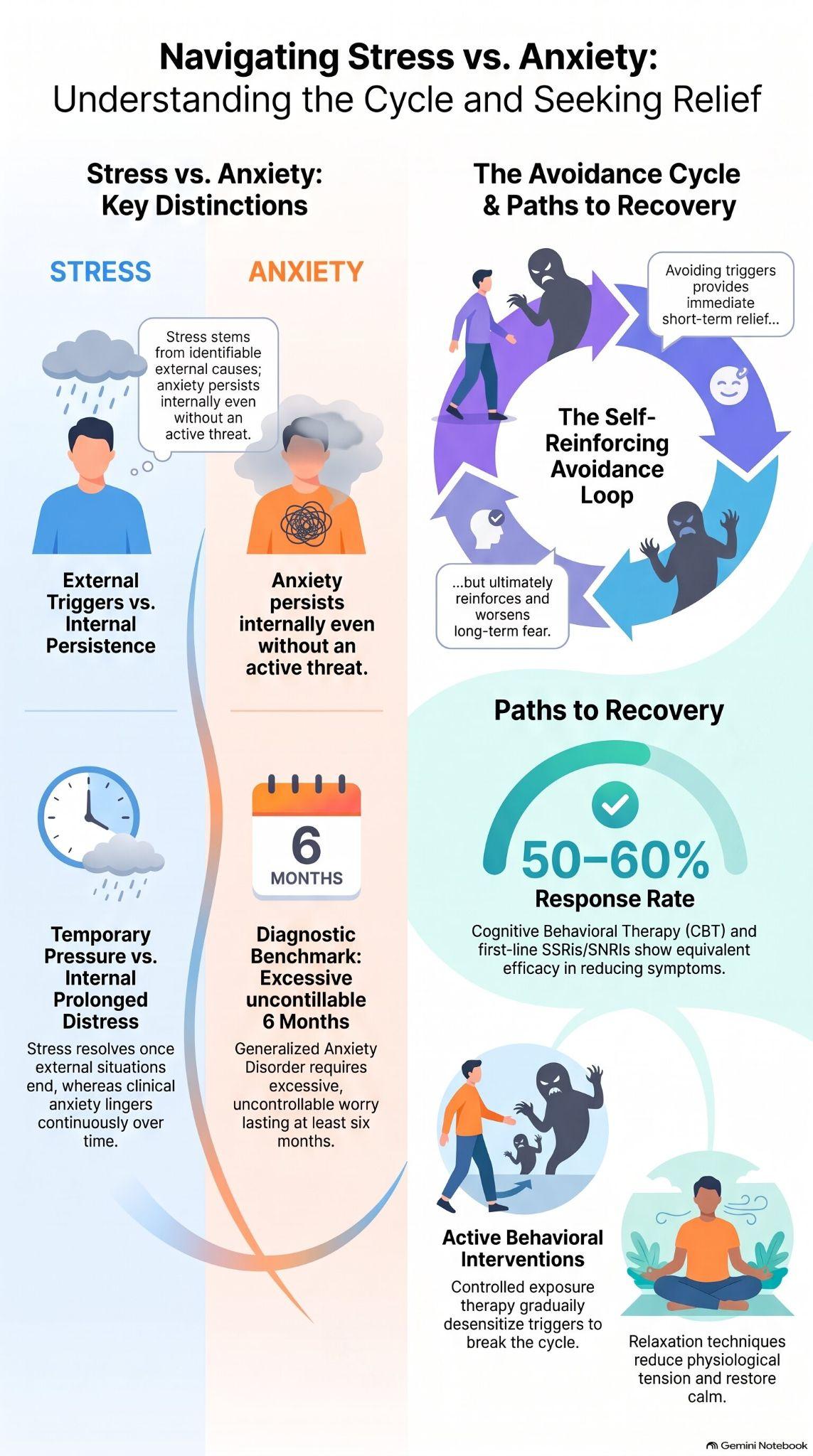
Normal stress is usually connected to an identifiable situation, such as a demanding workload, financial pressure, a family disagreement, or an upcoming examination. The stress response often decreases when the situation improves or the person develops a plan to manage it.
An anxiety disorder involves persistent or excessive fear and worry that may be difficult to control. Symptoms may continue after a stressful event has passed or occur without an obvious immediate threat. Anxiety can also lead to avoidance, physical discomfort, or difficulty completing everyday responsibilities.
The National Institute of Mental Health explains the distinction between anxiety and an immediate stress response:
“Anxiety is the body’s reaction to stress and can occur even if there is no current threat.” – National Institute of Mental Health, Generalized Anxiety Disorder: What You Need to Know
The difference does not depend solely on whether someone feels anxious. Clinicians consider the overall symptom pattern, duration, severity, and effect on daily functioning.
| Feature | Normal Stress | Possible Anxiety Disorder |
| Common trigger | Often linked to a specific challenge or event | May occur without an obvious trigger or continue after a stressful event |
| Duration | Often improves when the situation resolves | May persist or recur over an extended period |
| Intensity | Generally related to the demands of the situation | May feel excessive or difficult to control |
| Physical symptoms | Often decrease when the stressor passes | May recur frequently or remain present |
| Daily functioning | Usually remains manageable | May interfere with work, relationships, sleep, or routine activities |
| Response to reassurance | Reassurance or problem-solving may provide relief | Relief may be temporary, and worry may quickly return |
These differences are general patterns rather than diagnostic rules. Normal stress can become intense, and an anxiety disorder can vary in severity. A qualified clinician can determine whether symptoms meet the criteria for a specific condition.
What Are the Common Signs of an Anxiety Disorder?
Anxiety disorder symptoms can affect thoughts, emotions, physical health, and behavior. A person may experience several symptoms at once, although the pattern differs between individuals.
Common signs include:
- Persistent worry: Repeated concerns about work, health, finances, relationships, or everyday responsibilities.
- Difficulty controlling anxious thoughts: Trouble stopping worry even when the person recognizes that the concern may be disproportionate.
- Restlessness: Feeling on edge, unable to relax, or constantly alert for possible problems.
- Difficulty concentrating: Losing track of conversations, struggling to finish tasks, or finding it difficult to make decisions.
- Sleep disturbances: Difficulty falling asleep, waking frequently, or experiencing sleep that does not feel restorative.
- Irritability: Becoming frustrated more easily because of ongoing tension or worry.
- Avoidance: Repeatedly avoiding situations, responsibilities, or activities because they trigger fear or anxiety.
- Physical discomfort: Experiencing muscle tension, sweating, trembling, stomach discomfort, or a racing heartbeat.
Experiencing one or more of these symptoms does not automatically indicate an anxiety disorder. Sleep problems, physical illnesses, medication effects, and other mental health conditions can cause similar symptoms. A clinical assessment helps clarify the likely cause.
How Do Generalized Anxiety Disorder Signs Differ From Everyday Worry?

Generalized anxiety disorder (GAD) involves excessive anxiety and worry about several areas of life. The concerns may involve health, employment, finances, family responsibilities, or ordinary daily activities.
Unlike temporary stress over a single event, GAD causes ongoing worry that is hard to turn off, even when there is no clear reason to expect trouble. The worry may shift from one subject to another, making it difficult to feel reassured for long.
Common generalized anxiety disorder signs include:
- Excessive worry on most days.
- Difficulty controlling the worry.
- Restlessness or feeling on edge.
- Fatigue.
- Muscle tension.
- Irritability.
- Difficulty concentrating.
- Sleep problems.
For a diagnosis of GAD, clinicians generally assess whether excessive worry has occurred more days than not for at least six months. They also evaluate associated symptoms, distress, and impairment in daily functioning. Other diagnostic criteria must be considered before a diagnosis is made.
These symptoms alone are not enough to establish a diagnosis. A mental health professional may review symptom duration, severity, medical history, medication use, and other possible explanations before determining whether generalized anxiety disorder (GAD) is present.
People who experience persistent worry can also review anxiety disorder services to learn about psychiatric evaluation and treatment options.
What Physical Symptoms of Anxiety Can Occur?
Anxiety activates the body’s stress response. This response can affect heart rate, breathing, muscle activity, digestion, and sleep. These changes may help the body respond to an immediate threat, but recurring activation can become distressing when it happens frequently.
Physical symptoms of anxiety may include:
- A racing or pounding heartbeat.
- Sweating or trembling.
- Muscle tension, especially in the neck, shoulders, or jaw.
- Stomach discomfort, nausea, or changes in digestion.
- Dizziness or lightheadedness.
- Shortness of breath or a feeling of tightness in the chest.
- Headaches.
- Difficulty falling asleep or staying asleep.
Physical symptoms can occur during an anxiety episode, but they are not specific to anxiety. Heart conditions, respiratory problems, thyroid disorders, medication effects, and other medical issues can produce similar symptoms.
Persistent, unexplained, or worsening physical symptoms should be evaluated by a healthcare professional. Severe chest pain, fainting, or significant difficulty breathing requires urgent medical attention rather than an assumption that anxiety is responsible.
When Does Anxiety Become a Disorder?

Anxiety may require professional evaluation when it becomes persistent, difficult to control, or disruptive to daily life. There is no need to wait until symptoms become overwhelming before seeking support.
Several changes may indicate that an assessment is appropriate:
- Work or education becomes harder to manage. Worry repeatedly interrupts concentration, deadlines, attendance, or performance.
- Sleep is regularly disrupted. Anxious thoughts make it difficult to fall asleep or return to sleep after waking.
- Relationships are affected. Fear, irritability, or repeated requests for reassurance create tension with family members, friends, or partners.
- Daily activities are avoided. Anxiety prevents participation in social events, appointments, travel, or necessary responsibilities.
- Physical symptoms recur. Tension, digestive discomfort, or a racing heartbeat repeatedly interferes with normal activities.
- Coping strategies no longer provide enough relief. Rest, exercise, or problem-solving does not adequately reduce the distress.
You don’t have to wait until you meet every symptom criteria to reach out; a mental health professional can evaluate what you are experiencing and help you find relief early.”
If anxiety occurs alongside persistent sadness, loss of interest, low energy, or hopelessness, an assessment for depression may also be appropriate. Depression and anxiety symptoms can overlap, and identifying both conditions can help guide treatment decisions.
What Can Help Manage Anxiety Symptoms?
Treatment depends on the type of anxiety, symptom severity, personal circumstances, and any co-occurring conditions. A healthcare professional can explain the available options and help determine which approach is appropriate.
Psychotherapy
Psychotherapy can help people understand anxious thoughts, recognize patterns that increase distress, and develop more effective coping skills. Cognitive behavioral therapy (CBT) is a well-established treatment for several anxiety disorders.
The American Psychological Association describes the role of psychological treatment in managing anxiety:
“A form of psychotherapy known as cognitive-behavioral therapy (CBT) is highly effective at treating anxiety disorders.” – American Psychological Association, Seeing a Psychologist About Anxiety Disorders
Depending on the condition, therapy may include gradual exposure to feared situations, problem-solving strategies, and exercises that challenge unhelpful thought patterns. Treatment goals and methods should reflect the person’s symptoms and diagnosis.
Medication
A qualified prescriber may recommend medication when symptoms are persistent or significantly interfere with daily functioning. Selective serotonin reuptake inhibitors (SSRIs) and serotonin-norepinephrine reuptake inhibitors (SNRIs) are commonly used to treat certain anxiety disorders.
The choice of medication depends on the diagnosis, medical history, other medications, potential side effects, and treatment preferences. Some medications take several weeks to provide noticeable benefits. Medication should be taken and adjusted under the guidance of the prescribing clinician.
Daily Coping Strategies
Daily habits can support mental health, although they may not replace professional treatment when an anxiety disorder is present. Helpful strategies may include maintaining a consistent sleep schedule, engaging in regular physical activity, reducing excessive caffeine intake, practicing relaxation techniques, and maintaining social connections.
Breaking demanding tasks into manageable steps can also reduce stress related to work or daily responsibilities. These strategies are most useful when they are realistic and consistent with the person’s needs.
Assessment for Co-Occurring Depression and Anxiety
When anxiety symptoms occur alongside depression, a clinician may assess how the conditions affect each other. Depression can involve persistent low mood, reduced interest in activities, low energy, and difficulty functioning. Anxiety may add excessive worry, restlessness, and physical tension.
Treating both sets of symptoms may be important when they occur together. The appropriate plan depends on the individual’s clinical presentation rather than the presence of anxiety alone.
People experiencing symptoms of depression can learn more about major depression treatment.
When Normal Stress Becomes Chronic: Can TMS for Anxious Depression Help?
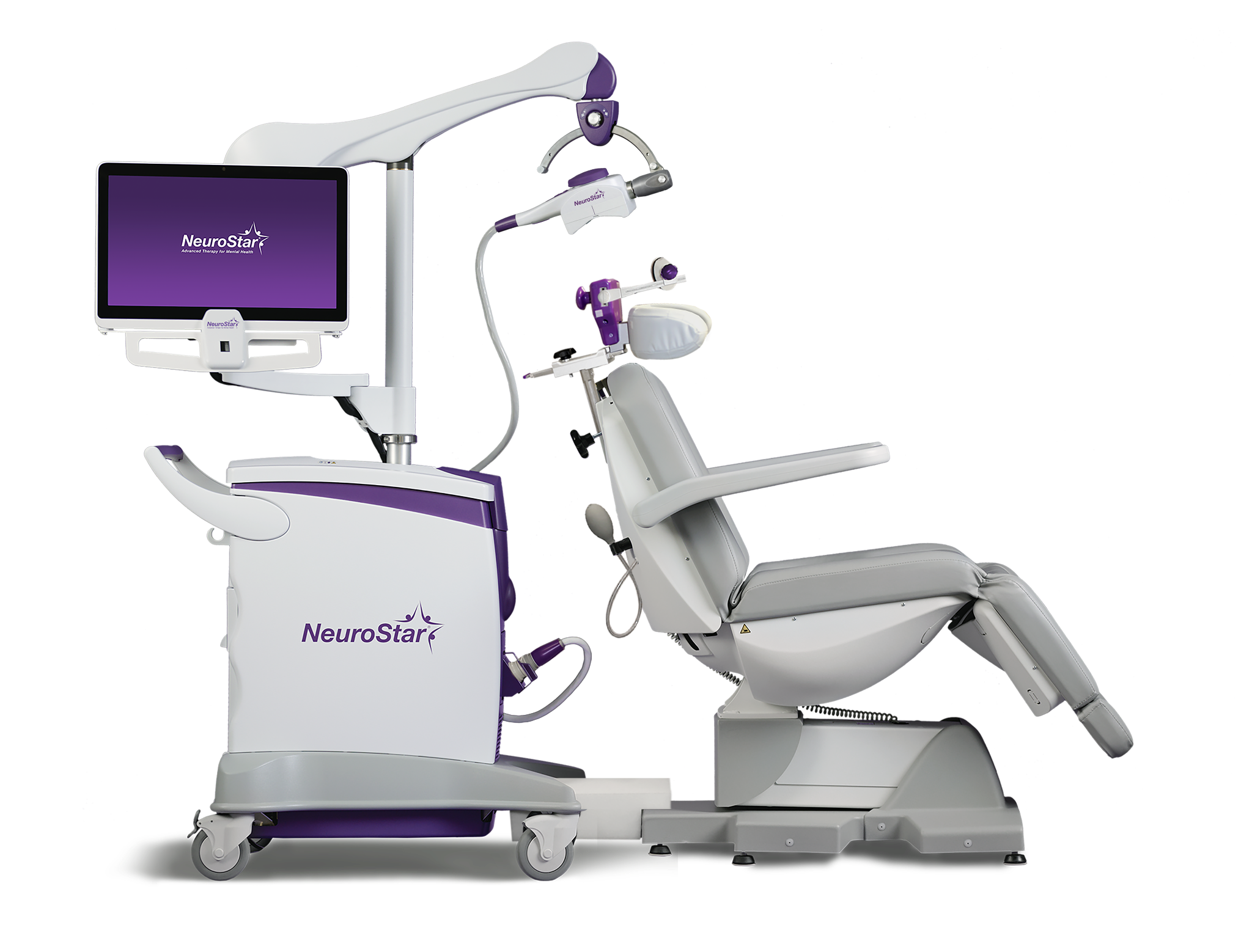
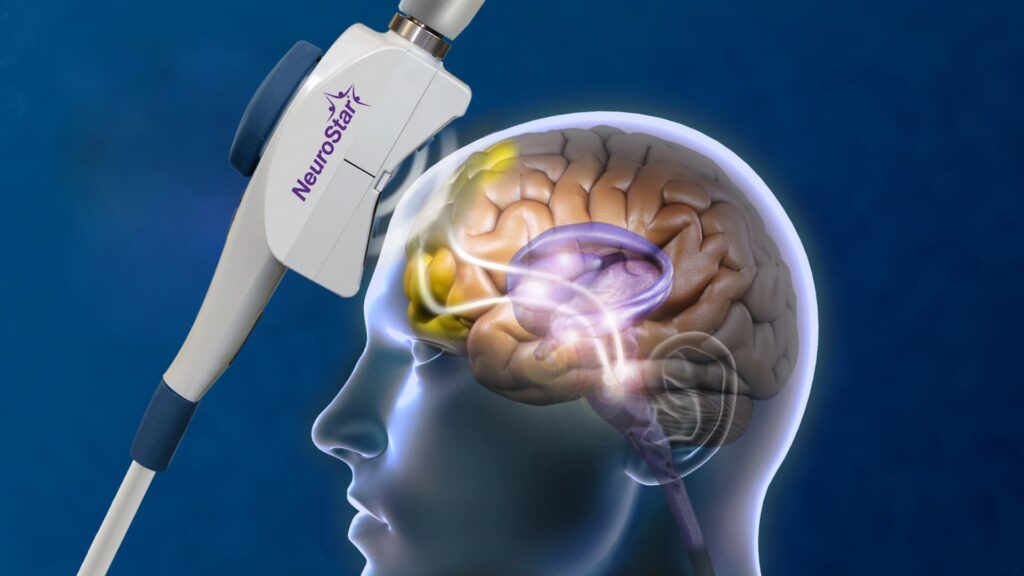
Transcranial magnetic stimulation (TMS) is a noninvasive treatment that uses magnetic pulses to stimulate specific brain regions involved in mood regulation. Clinicians may consider TMS for eligible patients with major depressive disorder, including certain patients whose symptoms have not improved sufficiently with antidepressant medication.
Some adults with major depressive disorder also experience significant anxiety symptoms. This presentation is often described as anxious depression. For eligible patients, NeuroStar Advanced Therapy is indicated for treating depressive episodes and reducing anxiety symptoms associated with major depressive disorder when satisfactory improvement has not been achieved with previous antidepressant medication during the current episode.
However, TMS is not a universal treatment for all anxiety disorders. Its indications depend on the specific device and the patient’s diagnosis and treatment history. Clearance for anxiety symptoms associated with major depressive disorder does not establish TMS as a standalone treatment for generalized anxiety disorder, panic disorder, or social anxiety disorder.
Eligibility requires an individualized clinical evaluation. A clinician reviews the diagnosis, previous treatments, medical history, safety considerations, and expected benefits before recommending TMS.
Readers can learn more about transcranial magnetic stimulation works. A consultation can help determine whether TMS is appropriate for an individual’s clinical circumstances.
What Is the Bottom Line About Anxiety Disorder Symptoms and Normal Stress?
When worry keeps coming back or starts affecting your daily life, it can be hard to tell whether you’re dealing with normal stress or something more. The difference matters.
At Embracing Life Today, you can explore mental health care options and discuss persistent symptoms with a qualified professional. Don’t ignore ongoing concerns. Visit Embracing Life Today to learn about available services and find out what support may be right for you.
FAQ
How Can You Tell the Signs of an Anxiety Disorder vs Normal Stress Apart?
Normal stress typically develops in response to an identifiable external challenge and subsides once the issue is addressed. In contrast, an anxiety disorder involves persistent, difficult-to-control worry that continues even without an immediate threat. When evaluating the signs of an anxiety disorder vs normal stress, clinicians look closely at how long symptoms last, their intensity, and whether they interfere with your ability to navigate daily life.
What Are the Most Common Anxiety Symptoms in Adults?
Common anxiety symptoms in adults involve a blend of emotional and physical responses, such as chronic restlessness, racing thoughts, muscle tension, fatigue, and sleep disturbances. Many adults also struggle with brain fog or irritability. Because these symptoms can mimic everyday fatigue or physical illnesses, a comprehensive professional evaluation is essential to identify the underlying cause.
Can Someone Have Severe Anxiety While Remaining Successful and Productive?
Yes. Many individuals live with high-functioning anxiety, appearing composed, driven, and reliable in their professional and social lives while privately battling continuous dread, perfectionism, and mental exhaustion. Even if daily obligations are met, internal distress can take a heavy physical and emotional toll, making clinical support equally valuable.
When Anxiety Needs Treatment, What Signs Should Prompt Professional Care?
Recognizing when anxiety needs treatment usually comes down to persistence and interference. If worry becomes difficult to manage on your own, consistently interrupts your sleep, strains personal relationships, or makes daily tasks overwhelming, seeking guidance is recommended. Early evaluation helps clarify your symptoms and connects you with personalized, evidence-based coping strategies before burnout sets in.
How Does TMS for Anxious Depression Work as a Treatment Option?
For adults experiencing persistent low mood coupled with severe anxiety that has not adequately improved with standard medications, TMS for anxious depression offers an evidence-based, FDA-cleared alternative. Transcranial magnetic stimulation delivers targeted magnetic pulses to regulate brain regions involved in mood and anxiety control, helping reduce depressive episodes and co-occurring anxiety without the systemic side effects often associated with daily medications.
Which Physical Symptoms of Anxiety Require Clinical Evaluation?
Frequent physical manifestations, including a pounding heartbeat, shortness of breath, unexplained digestive upset, sweating, and chronic headaches, should always be discussed with a healthcare provider. A medical assessment ensures underlying conditions such as thyroid irregularities or cardiovascular issues are evaluated, while ruling out urgent medical needs before confirming an anxiety-related cause.