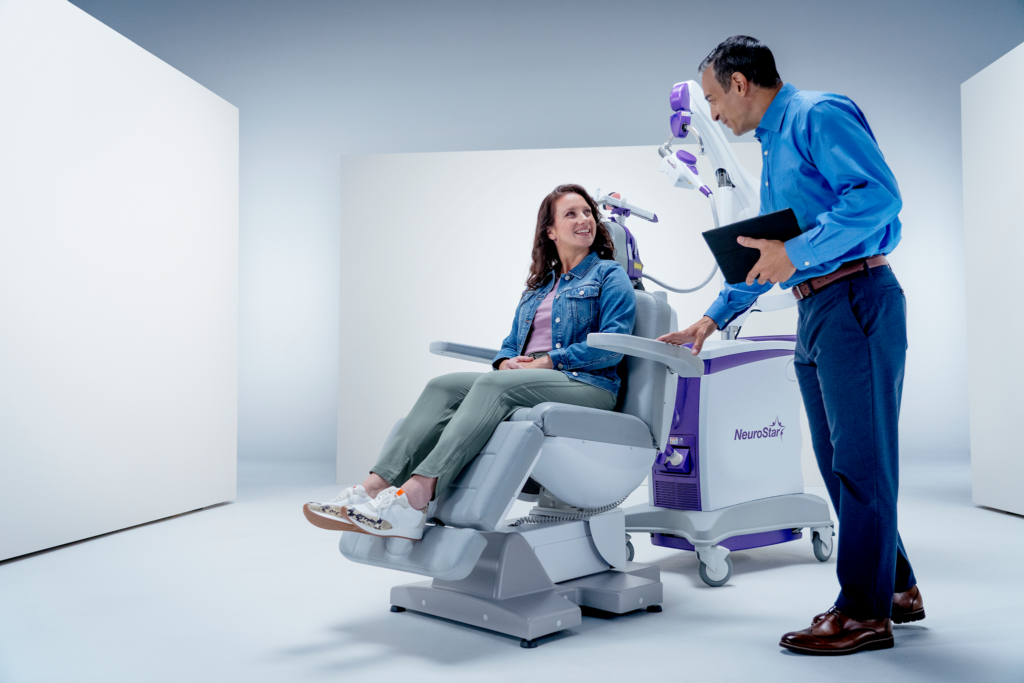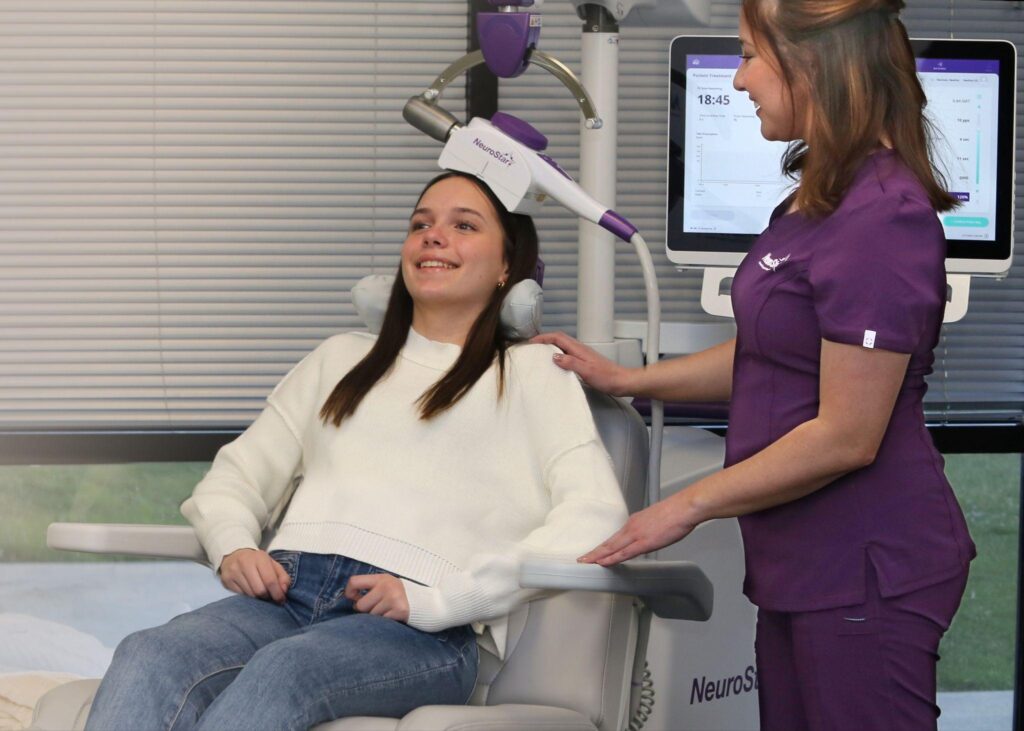
Finding appropriate TMS therapy involves more than choosing the closest clinic. You should consider the provider’s psychiatric expertise, FDA-cleared equipment, safety screening procedures, treatment protocols, insurance requirements, and approach to ongoing symptom monitoring.
Transcranial magnetic stimulation (TMS) is a noninvasive outpatient treatment that may be considered for certain mental health conditions when standard treatments have not provided sufficient improvement. A psychiatric evaluation helps determine whether TMS is appropriate based on your diagnosis, treatment history, symptoms, and medical history.
When evaluating local TMS providers, comparing these clinical factors can help you identify a practice that fits your psychiatric and practical needs. Understanding what to ask before scheduling can also make the treatment process easier to navigate.
Key Takeaways
- Evaluate medical oversight: Ask who conducts the psychiatric evaluation, treatment planning, motor threshold mapping, and ongoing clinical monitoring.
- Review treatment protocols: Confirm which FDA-cleared device and treatment protocol are available for your diagnosis and clinical situation.
- Understand treatment costs: Request information about evaluations, mapping, treatment sessions, insurance requirements, and potential out-of-pocket expenses before starting care.
How Do You Choose a Qualified TMS Clinic?
Choosing a TMS clinic requires looking beyond location and availability. The provider should have appropriate psychiatric oversight, established safety procedures, and a treatment approach that corresponds with your diagnosis and medical history.
According to the National Institute of Mental Health (NIMH),
“Repetitive transcranial magnetic stimulation is a noninvasive brain stimulation treatment used for certain psychiatric conditions, including depression.” –NIMH.
Before scheduling a consultation, consider asking the practice about several important aspects of care:
- Physician involvement: Ask who conducts the psychiatric evaluation and determines whether TMS is appropriate.
- Treatment mapping: Find out who performs the initial motor threshold assessment and establishes the treatment location.
- Equipment: Confirm the specific FDA-cleared TMS device used by the practice.
- Diagnostic alignment: Ask whether the proposed treatment protocol corresponds with your diagnosis and treatment history.
- Clinical monitoring: Determine how symptoms and treatment response will be monitored throughout the course.
- Financial information: Request a clear explanation of expected insurance coverage and out-of-pocket costs.
At Embracing Life Today, patients can learn more about TMS therapy for major depressive disorder and discuss whether this treatment may fit their individual psychiatric care needs.
A qualified provider should also explain the purpose of TMS, expected treatment schedule, possible side effects, and circumstances that may require changes to the treatment plan.
How Do You Compare Different TMS Treatment Options?
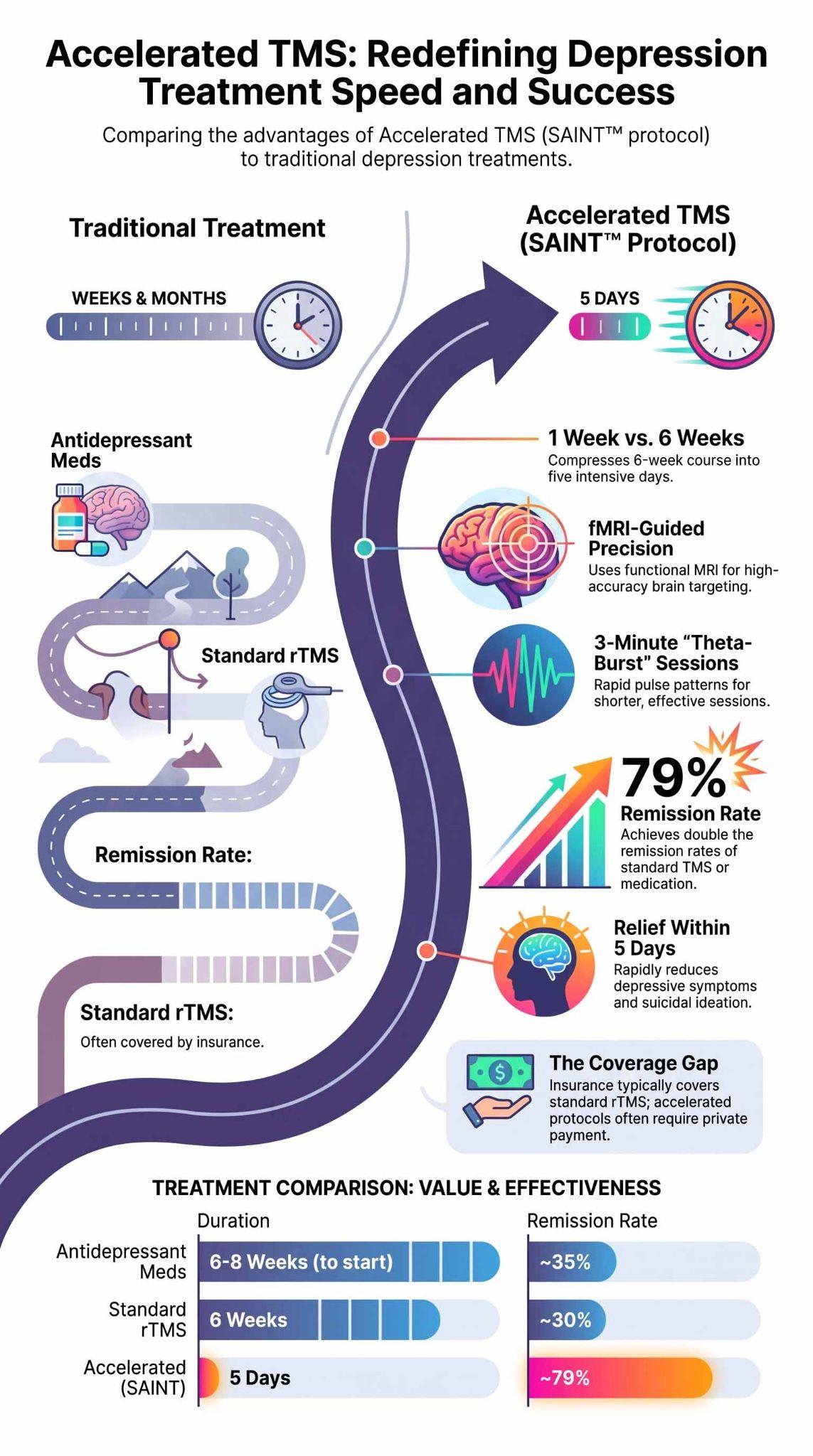
TMS treatment can vary in stimulation patterns, treatment duration, equipment, and scheduling requirements. Understanding these differences can help you ask more specific questions during your consultation.
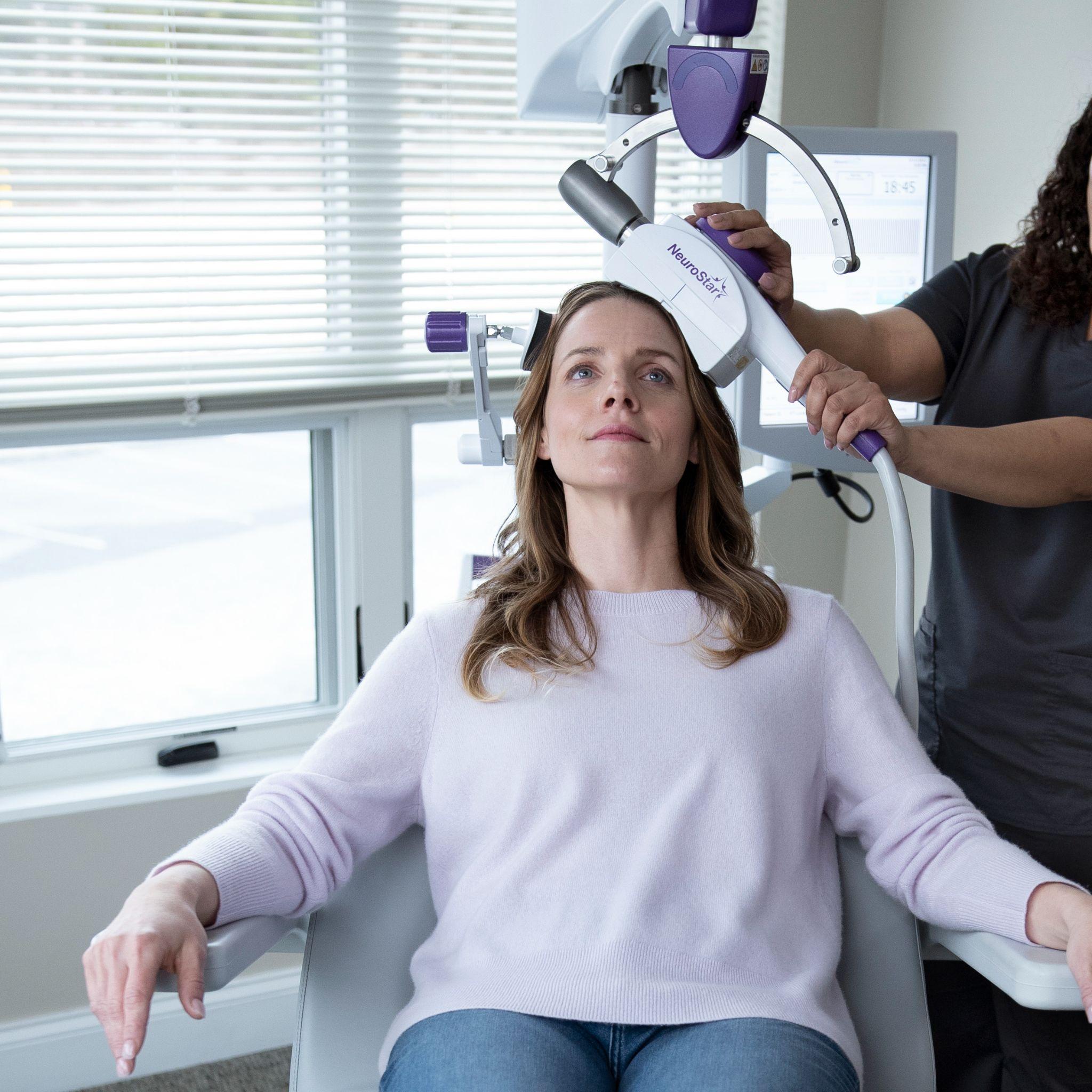
TMS works by delivering magnetic pulses through a treatment coil positioned against the scalp. These pulses stimulate targeted areas of the brain involved in mood regulation and other functions associated with the condition being treated.
The biological mechanisms underlying TMS continue to be studied. Clinical response can also vary considerably between individuals, so treatment decisions should be based on your specific diagnosis, symptoms, previous treatment response, and medical history.
Common treatment approaches include:
| Protocol Type | General Characteristics | Questions to Ask Your Provider |
| Conventional rTMS | Repeated magnetic stimulation delivered during scheduled outpatient visits | How many sessions are recommended for my treatment course? |
| iTBS (Theta Burst) | A patterned stimulation approach that can allow shorter treatment sessions | Is this protocol appropriate and FDA-cleared for my condition? |
| Deep TMS (dTMS) | Uses specialized coil technology designed to stimulate broader and deeper brain regions | Is this approach appropriate for my diagnosis? |
| Accelerated TMS | Uses multiple treatment sessions within a shorter overall period | What evidence supports this schedule for my clinical situation? |
A typical acute course may involve treatment sessions five days per week for several weeks, although the exact schedule depends on the treatment protocol and individual clinical circumstances.
If symptoms do not improve as expected during treatment, the clinical team may review treatment adherence, stimulation settings, coil positioning, symptom measurements, and the original diagnosis before deciding whether changes are appropriate.
What Safety Screening Is Required Before TMS?
Safety screening is an important part of TMS treatment because certain medical conditions, implanted devices, and metallic objects can affect whether treatment is appropriate.
Before treatment begins, the clinical team should review your medical history and ask about neurological conditions, previous seizures, implanted medical devices, metallic objects, medications, and other factors that could affect treatment safety.
As outlined by the Mayo Clinic,
“Safety screening for TMS includes identifying relevant implanted devices, metal objects, and other factors that may increase risk during treatment.” –Mayo Clinic.
Your provider may specifically ask about:
- Previous seizures, epilepsy, or unexplained episodes of loss of consciousness
- Neurological conditions or significant brain injuries
- Implanted electronic or metallic medical devices
- Metallic fragments or other conductive materials near the head
- Current psychiatric and neurological medications
- A history of bipolar disorder, mania, or hypomania
TMS is generally administered while you remain awake and seated in a treatment chair. Sedation and general anesthesia are not typically required, allowing many patients to return to their usual activities after treatment.
Some patients experience temporary effects such as scalp discomfort, headaches, or facial muscle movement during stimulation. Your clinical team should explain potential side effects and what to do if you experience a concerning reaction.
A thorough screening process does not automatically mean that a person with a complex medical history cannot receive TMS. Instead, the treating clinician uses the information to determine whether treatment is appropriate and whether additional precautions are needed.
How Much Does TMS Treatment Cost With Insurance?
The cost of TMS varies depending on your insurance coverage, diagnosis, authorized treatment sessions, deductible, coinsurance, and other clinical services included in your care.
Before beginning treatment, ask for a breakdown of the services that may be billed. Depending on the practice and treatment plan, these may include:
- Psychiatric evaluation: An assessment to determine whether TMS is clinically appropriate.
- Motor threshold mapping: A procedure used to establish stimulation parameters for treatment.
- Treatment sessions: Individual TMS appointments delivered according to the prescribed protocol.
- Follow-up visits: Clinical appointments used to monitor symptoms and treatment response.
- Maintenance treatment: Additional treatment may be considered in some circumstances after the initial treatment course.
Insurance companies may have specific eligibility and prior authorization requirements. Some plans require documentation of previous medication trials, psychotherapy, or other treatments before TMS is covered.
Insurance policies differ, so you should confirm your individual benefits rather than relying only on general information about coverage.
Before scheduling treatment, ask:
- Is the practice in-network with my specific insurance plan?
- Does my insurance require prior authorization?
- What documentation is required for coverage?
- How many treatment sessions may initially be authorized?
- What deductible, copayment, or coinsurance may apply?
- Which services are included in the estimated treatment cost?
A written estimate can make it easier to understand your potential financial responsibility before treatment begins.
How Does TMS Therapy Help Treat Depression?
TMS may provide a noninvasive treatment option for people with depression who have not achieved sufficient improvement with other approaches. Treatment uses targeted magnetic stimulation rather than medication to influence specific brain regions involved in mood regulation.
For major depressive disorder, TMS commonly targets areas of the prefrontal cortex associated with mood-related brain networks. Repeated stimulation may influence neural activity and connectivity, although individual responses vary.
A psychiatric evaluation is important before treatment because FDA-cleared indications differ by device, diagnosis, and patient population. Your clinician should review your psychiatric history, previous treatments, current symptoms, and medical history before recommending TMS.
During treatment, a clinical technician positions the treatment coil according to the patient’s individualized treatment settings. You remain awake and may hear clicking sounds or feel tapping sensations during stimulation.
Treatment sessions are generally completed in an outpatient setting. Many patients can resume normal activities after an appointment, although your provider should give you individualized instructions based on your circumstances.
What Questions Should You Ask Before Scheduling TMS?

A consultation gives you an opportunity to understand how a clinic approaches evaluation, treatment planning, safety, and follow-up care. Preparing questions in advance can also help you compare providers based on factors that matter to your treatment.
Consider asking:
- What psychiatric diagnosis is being evaluated for TMS treatment?
- Which FDA-cleared TMS device does the clinic use?
- Who performs the psychiatric evaluation and treatment planning?
- Who performs the initial motor threshold mapping?
- How is my treatment intensity determined?
- How many sessions are typically included in the recommended treatment course?
- How will my symptoms be measured during treatment?
- What costs may remain after insurance coverage?
- What happens if my symptoms do not improve as expected?
- How does the clinic respond to side effects or other treatment concerns?
You can also ask how the practice coordinates TMS with medication management, psychotherapy, primary care, or other psychiatric services when appropriate.
Embracing Life Today provides TMS treatment through multiple Florida locations. You can review the practice’s TMS locations in Florida to compare available offices and consider which location may be most convenient for ongoing treatment.
Taking Your Next Clinical Steps
Choosing a TMS provider involves more than finding a convenient location. Clinical qualifications, appropriate safety screening, FDA-cleared equipment, treatment protocols, insurance requirements, and ongoing monitoring can all affect your experience with care.
If standard treatments have not provided sufficient improvement, a psychiatric evaluation can help determine whether TMS may be appropriate for your circumstances. Asking detailed questions before treatment begins can also help you understand the expected schedule, costs, and follow-up process.
If you are considering TMS, you can contact Embracing Life Today to learn more about evaluation and treatment options available through its Florida clinics.
If you or someone you know is experiencing a mental health crisis or having thoughts of self-harm, call or text 988 for free, confidential support in the United States. For an immediate emergency, call 911 or go to the nearest emergency department.
FAQ
Is TMS available for major depressive disorder?
Yes. FDA-cleared TMS systems are available for appropriately screened patients with major depressive disorder when the treatment meets the applicable device indication and clinical criteria.
How should I choose a TMS therapy provider near me?
When choosing a local TMS therapy provider, compare practices based on direct psychiatric oversight, FDA-cleared equipment, rigorous safety screening, treatment protocols, symptom monitoring, insurance participation, and structured follow-up care.
What happens during a typical TMS treatment course?
Treatment generally begins with a psychiatric evaluation and individualized motor threshold mapping. Sessions are then provided according to the prescribed protocol, with the clinical team monitoring symptoms and treatment response throughout the course.
What factors affect the cost of TMS treatment?
Costs can depend on insurance coverage, deductibles, coinsurance, authorized session numbers, the treatment protocol, and additional psychiatric services provided during care.
Is TMS appropriate for everyone?
No. TMS may not be appropriate for people with certain implanted devices, metallic objects, neurological conditions, seizure-related risks, or other clinical factors. A qualified clinician should complete an individual safety assessment before treatment begins.