
Finding appropriate eating disorder care starts with understanding your medical needs, symptoms, treatment history, and level of support. Care may range from outpatient therapy and psychiatric treatment to more structured programs or hospital-based stabilization when medical complications are present.
The right program should be based on clinical needs rather than location alone. Provider qualifications, treatment approach, medical monitoring, insurance requirements, and access to additional support can all affect whether a program is appropriate.
This guide explains what to consider when comparing eating disorder care, including treatment levels, therapy approaches, psychiatric support, co-occurring conditions, and situations that may require urgent medical attention.
Key Takeaways
- Match care to clinical needs: The appropriate treatment setting depends on medical stability, eating behaviors, psychiatric symptoms, and the level of support available at home.
- Look for coordinated care: Eating disorder treatment may involve psychiatric care, psychotherapy, nutritional support, and medical monitoring working together.
- Review practical details: Insurance requirements, appointment availability, treatment schedules, transportation, and procedures for higher levels of care should be considered before starting treatment.
What Does Eating Disorder Care Include?
Eating disorder care may include medical assessment, psychotherapy, nutritional support, and psychiatric treatment when clinically appropriate. The treatment plan should reflect the specific eating disorder, physical health concerns, psychiatric symptoms, and treatment goals of the individual.
Common eating disorders include anorexia nervosa, bulimia nervosa, binge-eating disorder, avoidant/restrictive food intake disorder (ARFID), and other specified feeding or eating disorders (OSFED). Some people also experience depression, anxiety, obsessive-compulsive symptoms, trauma-related conditions, or substance use concerns alongside an eating disorder.
Treatment can take place in different settings depending on symptom severity and medical stability. Outpatient care may be appropriate for some patients, while others may need more structured support.
At Embracing Life Today, the eating disorder treatment services include evaluation, diagnosis, medication management, and support for individuals and families.
| Care Level | General Structure | Primary Purpose |
| Outpatient Care | Scheduled therapy, psychiatric visits, and medical follow-up | Supports recovery while allowing the patient to maintain daily routines |
| Intensive Outpatient Program (IOP) | Multiple treatment days each week with structured clinical support | Provides more frequent therapy and monitoring while maintaining some independence |
| Partial Hospitalization Program (PHP) | Structured treatment for much of the day | Provides intensive therapeutic, nutritional, and medical support without overnight hospitalization |
| Residential Care | Continuous care in a residential setting | Provides a structured environment when outpatient treatment is not sufficient |
| Inpatient Hospitalization | 24-hour hospital-based medical care | Addresses acute medical or psychiatric instability requiring close monitoring |
The appropriate level of care should be determined through a professional evaluation. Online information cannot determine whether outpatient, residential, or hospital-based treatment is appropriate for a specific person.
How Can Eating Disorder Therapy Support Recovery?
Eating disorder therapy focuses on the thoughts, behaviors, emotions, and patterns that can maintain disordered eating. The specific approach depends on the diagnosis, age, symptoms, treatment history, and individual goals.
Cognitive Behavioral Therapy for Eating Disorders (CBT-ED) and Enhanced Cognitive Behavioral Therapy (CBT-E) may help address rigid eating rules, binge-purge behaviors, and concerns related to weight and body image. Dialectical Behavior Therapy (DBT) may be useful when emotional regulation and distress tolerance are important parts of treatment.
According to clinical research indexed on PubMed (2017),
“Therapist-led cognitive behavioral therapy has demonstrated clinical benefits across several eating disorder presentations. The findings support the use of structured cognitive behavioral approaches as part of eating disorder treatment, although the appropriate therapy still depends on the individual’s diagnosis, symptoms, medical status, and treatment needs.” –Pubmed.
For adolescents, Family-Based Treatment (FBT) can involve parents or caregivers directly in supporting nutritional recovery and behavioral changes at home. Exposure-based approaches may also be considered when severe food avoidance or obsessive-compulsive symptoms affect eating.
Therapy should be coordinated with medical care when an eating disorder may be affecting physical health. Disordered eating can affect cardiovascular, gastrointestinal, endocrine, and metabolic function, making medical monitoring an important part of treatment for some patients.
A coordinated team may include a therapist, psychiatrist or other psychiatric prescriber, registered dietitian, and primary care clinician. Regular communication among providers can help ensure that psychological and physical aspects of recovery are addressed together.
How Is the Appropriate Level of Care Determined?

An eating disorder evaluation considers more than body weight. A clinician may assess medical stability, eating behaviors, psychiatric symptoms, functional ability, family or caregiver support, and the person’s ability to maintain adequate nutrition safely.
During an assessment, the treatment team may review:
- Medical status: Blood pressure, heart rate, temperature, laboratory findings, and other relevant medical measures.
- Eating behaviors: Restriction, binge eating, purging, compulsive exercise, or other behaviors affecting nutritional health.
- Psychiatric symptoms: Depression, anxiety, obsessive-compulsive symptoms, self-harm, suicidal thoughts, or other concerns.
- Daily functioning: Ability to attend school or work, manage daily activities, and follow treatment recommendations.
- Support system: Availability of family members, caregivers, or other people who can support treatment outside appointments.
- Previous treatment: Response to therapy, medication, nutritional intervention, or other forms of care.
A clinician may recommend increasing the intensity of care when outpatient treatment is not adequately addressing dangerous behaviors or medical concerns. Depending on the situation, this could involve more frequent outpatient treatment, an intensive outpatient program, partial hospitalization, residential care, or hospital treatment.
The decision should be based on the person’s current clinical condition rather than geographic convenience.
How Does Psychiatric Care Fit Into Eating Disorder Treatment?
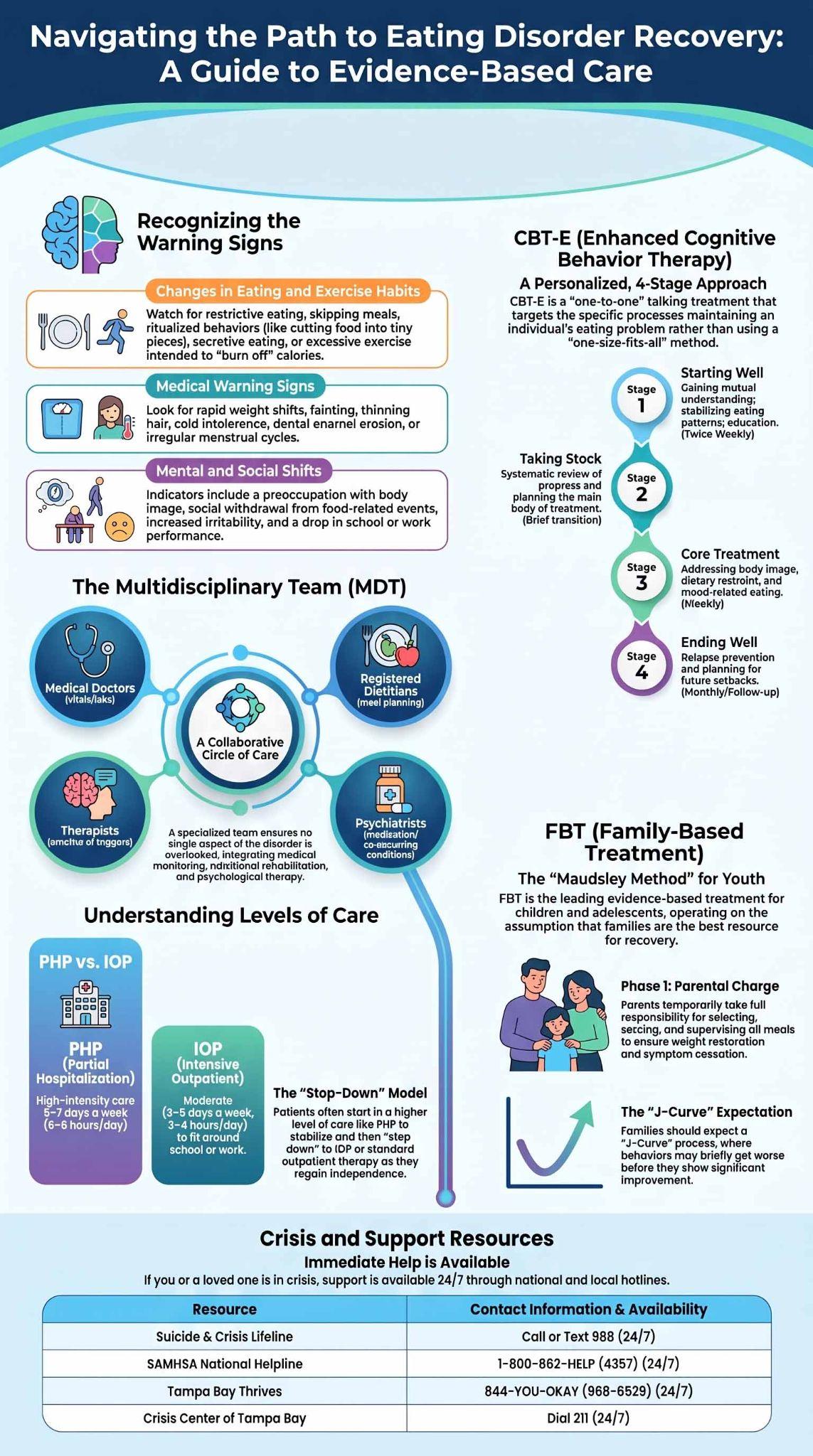
Psychiatric care can address co-occurring mental health conditions and help monitor symptoms that may affect eating disorder recovery. Treatment is often more effective when psychiatric providers, therapists, dietitians, and medical clinicians communicate about the overall care plan.
Conditions such as major depression, anxiety disorders, obsessive-compulsive disorder, and trauma-related symptoms may occur alongside eating disorders. These conditions may require their own assessment and treatment while the eating disorder is being addressed.
Medication can sometimes support treatment of co-occurring psychiatric symptoms. However, medication does not replace specialized eating disorder therapy, nutritional care, or medical monitoring.
A psychiatric evaluation can help determine which symptoms require treatment and whether medication may have a role in the broader care plan. Treatment decisions should consider the person’s diagnosis, medical status, current medications, previous treatment response, and other health factors.
When May Interventional Treatment Be Considered?
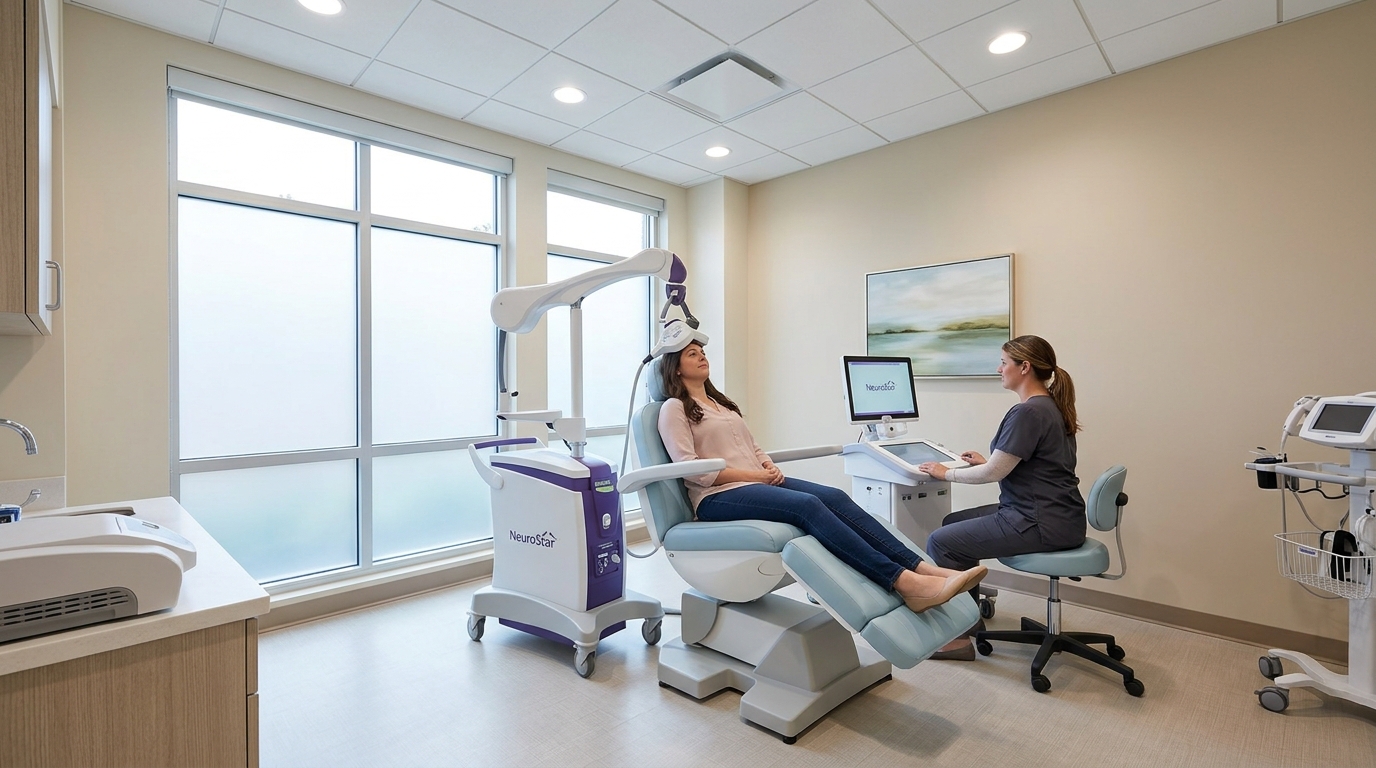
Interventional psychiatric treatments may be considered when a co-occurring condition such as depression or obsessive-compulsive disorder remains difficult to treat with standard approaches.
NeuroStar Advanced Therapy is an FDA-cleared treatment for specific indications involving major depressive disorder and is also cleared as an adjunct treatment for adults with obsessive-compulsive disorder. It is not a direct treatment for eating disorders such as anorexia nervosa or bulimia nervosa.
For someone with an eating disorder and a co-occurring psychiatric condition, treatment decisions should be based on a complete psychiatric and medical evaluation. The clinician must determine whether the person’s diagnosis and medical history fit the applicable treatment indication.
TMS also requires appropriate safety screening. The treating clinician should review relevant medical history, implanted devices, metallic objects, neurological conditions, seizure risk, and other factors before treatment.
Interventional treatment should therefore be viewed as one possible component of psychiatric care for a qualifying co-occurring condition rather than a replacement for eating disorder treatment.
What Should You Know About Medical Escalation and Crisis Support?

Some eating disorder complications require urgent medical attention rather than waiting for an outpatient appointment. Severe physical symptoms or an acute psychiatric crisis should be evaluated promptly by an appropriate medical professional.
As reported by Mayo Clinic Press (2023):
“Eating disorders are serious mental health conditions that can lead to severe physical complications and require professional evaluation and treatment.” – Mayo Clinic.
These risks are one reason eating disorder care may involve medical monitoring alongside psychiatric and therapeutic treatment. The need for additional medical support depends on the person’s symptoms, physical condition, and overall level of risk.
Seek urgent medical evaluation when there are concerning symptoms such as:
- Fainting or severe dizziness
- Chest pain or significant difficulty breathing
- Severe weakness, confusion, or inability to stand safely
- Inability to keep fluids down
- Significant food or fluid refusal
- Signs of severe dehydration
- Concerning laboratory abnormalities
- Suicidal thoughts or an immediate risk of self-harm
Do not attempt to manage serious medical complications independently at home. An emergency department or hospital can assess vital signs, laboratory abnormalities, hydration, cardiac concerns, and other complications that may require immediate treatment.
If you or someone you know is experiencing a mental health crisis or having thoughts of suicide or self-harm, call or text 988 for free, confidential support in the United States. For an immediate medical emergency, call 911 or go to the nearest emergency department.
For outpatient care in the Tampa area, you can review Embracing Life Today’s Location to learn more about available services and office information.
How Can You Choose the Right Eating Disorder Care?
Choosing eating disorder care requires looking at clinical expertise, treatment structure, medical oversight, and practical access. The closest provider is not necessarily the most appropriate if the program cannot address your symptoms or provide the level of care you need.
Before enrolling, consider asking:
- Does the provider have experience treating my specific eating disorder?
- What types of therapy are available?
- Is psychiatric care available when clinically appropriate?
- Does the treatment team coordinate with a registered dietitian or medical provider?
- How are medical complications monitored?
- What happens if outpatient treatment is not enough?
- Which insurance plans are accepted?
- Are there additional costs for evaluations or specialized services?
- How often will my treatment plan be reviewed?
- What should I do if my symptoms become medically or psychiatrically urgent?
These questions can help you compare programs based on the care they actually provide rather than location alone.
Taking the Next Step in Your Care
Finding appropriate eating disorder care involves more than choosing a nearby practice. Your diagnosis, medical stability, symptoms, treatment history, support system, and access to coordinated care should all be considered when determining the right treatment approach.
Embracing Life Today provides eating disorder services as part of its broader psychiatric care. If you would like to discuss your treatment needs, you can request an appointment and speak with the practice about available care.
If you or someone you know is experiencing a medical emergency or immediate danger, seek emergency medical care or call 911.
FAQ
What does eating disorder treatment typically include?
Treatment may include psychotherapy, psychiatric evaluation, medication management when appropriate, nutritional support, and medical monitoring. The specific combination depends on the diagnosis, symptoms, physical health, and level of care required.
What type of therapy is used for eating disorders?
Treatment may include approaches such as CBT-ED, CBT-E, DBT, Family-Based Treatment, and other evidence-based therapies. The appropriate approach depends on the person’s diagnosis, age, symptoms, and treatment goals.
How is the appropriate level of eating disorder care determined?
Clinicians consider medical stability, eating behaviors, psychiatric symptoms, daily functioning, support at home, and previous treatment response. These factors help determine whether outpatient or more intensive treatment is appropriate.
Can psychiatric medication be part of eating disorder care?
Medication may be used to address certain co-occurring psychiatric symptoms or conditions. It is generally considered as part of a broader treatment plan rather than as a standalone treatment for an eating disorder.
When should someone seek emergency care for an eating disorder?
Emergency care may be necessary when severe physical or psychiatric symptoms occur, such as fainting, chest pain, severe weakness, inability to keep fluids down, serious dehydration, significant medical abnormalities, or an immediate risk of self-harm.
References
- https://pubmed.ncbi.nlm.nih.gov/29083223/
- https://mcpress.mayoclinic.org/mental-health/all-about-eating-disorders-symptoms-treatments-and-how-to-find-help/


