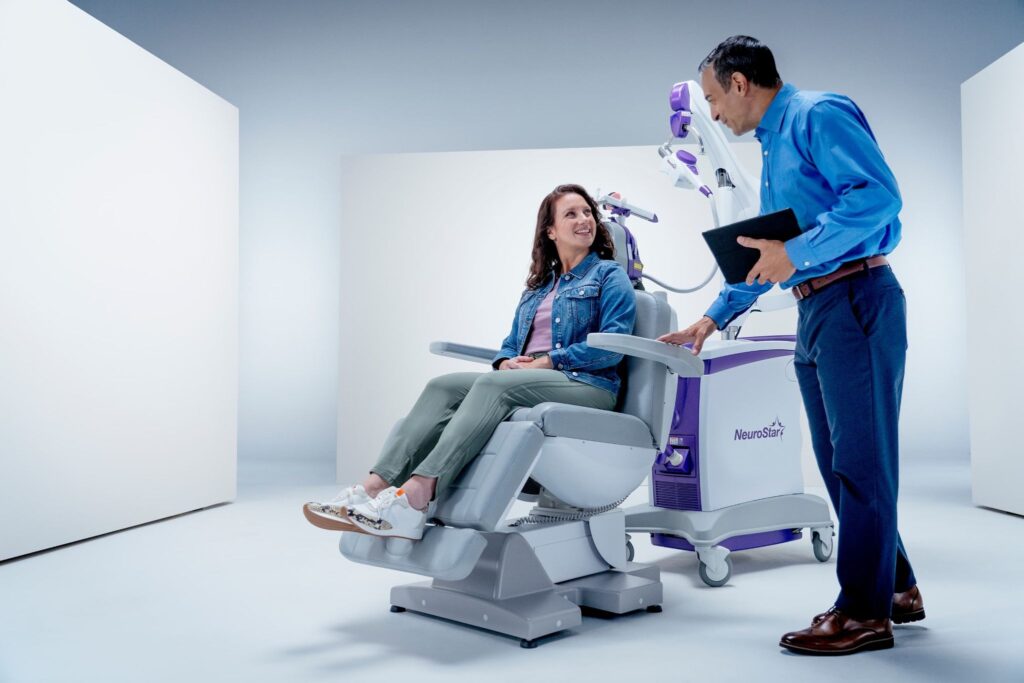
Most people do not experience an immediate change from TMS therapy. For many patients, symptom improvement develops gradually over several weeks, with clearer changes often appearing later in the treatment course. TMS is FDA-cleared for major depressive disorder, and specific TMS systems and protocols also have FDA clearances for other conditions and indications.
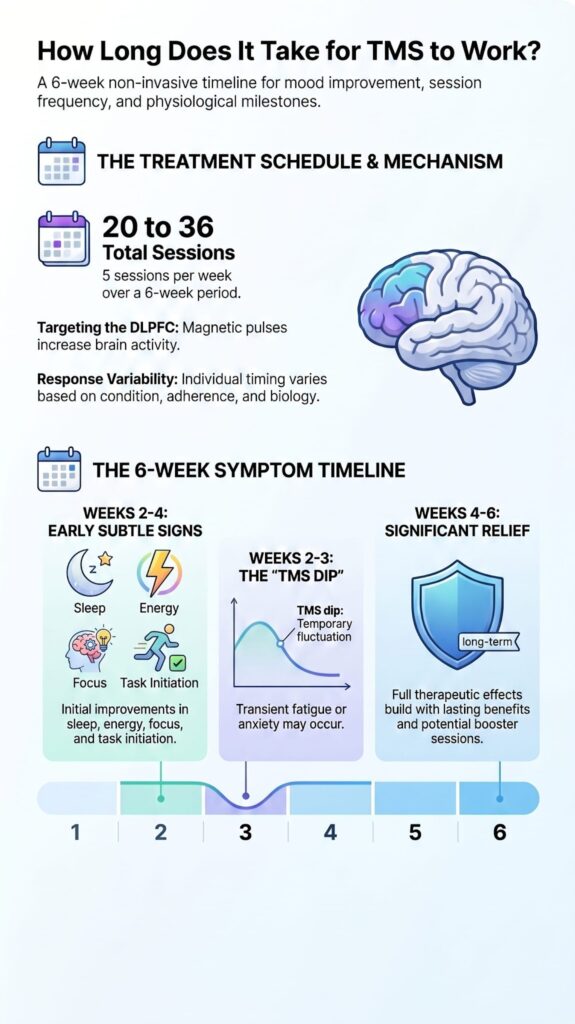
A standard course for depression commonly involves treatment five days a week for approximately four to six weeks, although the exact schedule depends on the treatment protocol and the patient’s clinical needs.
Early improvements can be subtle. Some patients notice changes in sleep, energy, motivation, concentration, or emotional responsiveness before they experience a more noticeable improvement in depressive symptoms.
At Embracing Life Today, NeuroStar TMS is integrated into a broader psychiatric treatment plan when appropriate. This may include medication management, psychotherapy, and ongoing symptom monitoring. Below, we explain what patients can generally expect from TMS treatment week by week.
Key Takeaways
- Many patients begin noticing changes during the first several weeks of consistent TMS treatment, although response timing varies.
- A standard depression treatment course commonly involves repeated sessions five days a week for approximately four to six weeks.
- Some patients respond earlier, while others may require additional sessions before improvement becomes clear.
- Not every patient responds to TMS, and a clinician should evaluate progress throughout treatment.
What Do Patients Usually Feel During TMS?
You typically will not experience a sudden, dramatic change in mood immediately after a TMS session. Many patients notice gradual functional improvements before they experience a substantial reduction in depressive symptoms.
Some people report improvements in sleep, energy, motivation, concentration, or emotional responsiveness before their overall mood improves. These changes can develop at different times for different patients.
Some patients’ family members or close friends may notice behavioral changes before the patient recognizes them. However, these observations should be considered alongside formal symptom assessments rather than used as proof that treatment is working.
Temporary fluctuations in mood, anxiety, fatigue, or other symptoms can also occur during treatment. Everyone responds differently, and a temporary change does not by itself determine whether TMS will ultimately be successful.
At Embracing Life Today, clinicians monitor patients throughout treatment and can reassess the treatment plan when necessary.
Why Does TMS Often Feel Slow at First?
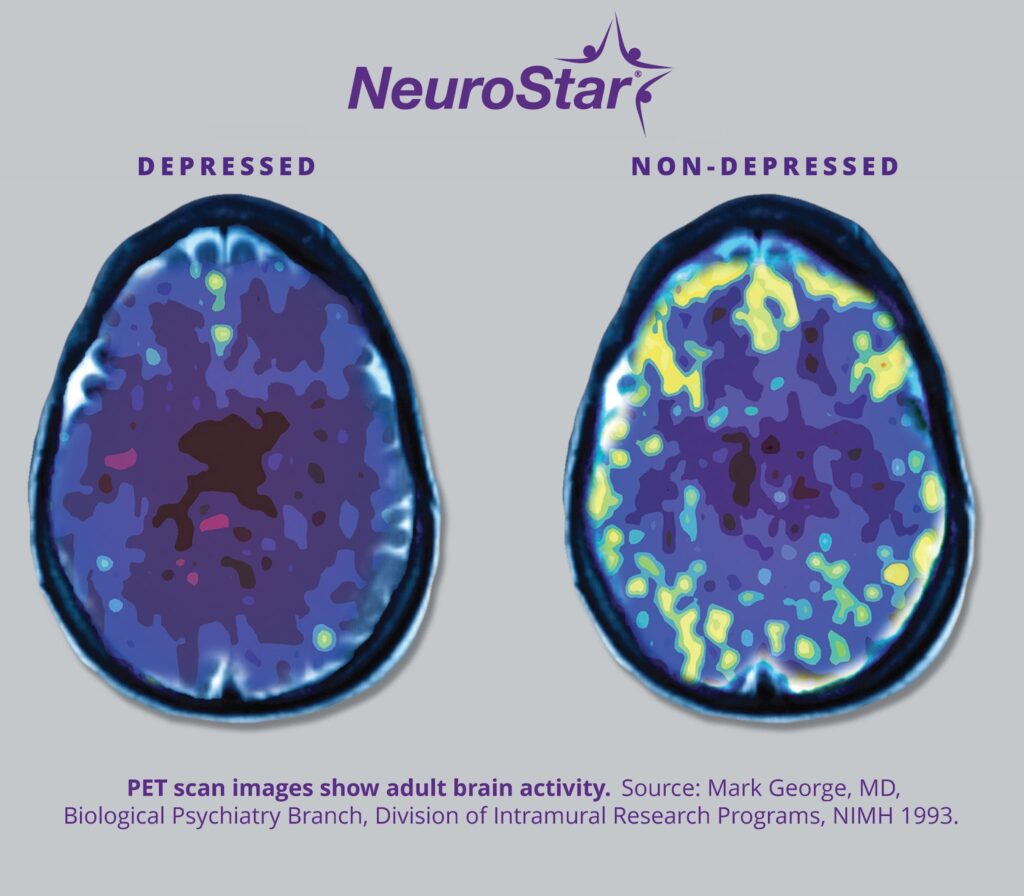
Unlike an oral medication, TMS does not work through systemic drug absorption. Instead, it uses repeated magnetic stimulation to influence activity in targeted brain networks. Because treatment involves repeated sessions, symptom improvement may develop gradually.
Understanding how NeuroStar Advanced TMS Therapy works can help explain why patients generally need a series of treatments rather than a single session.
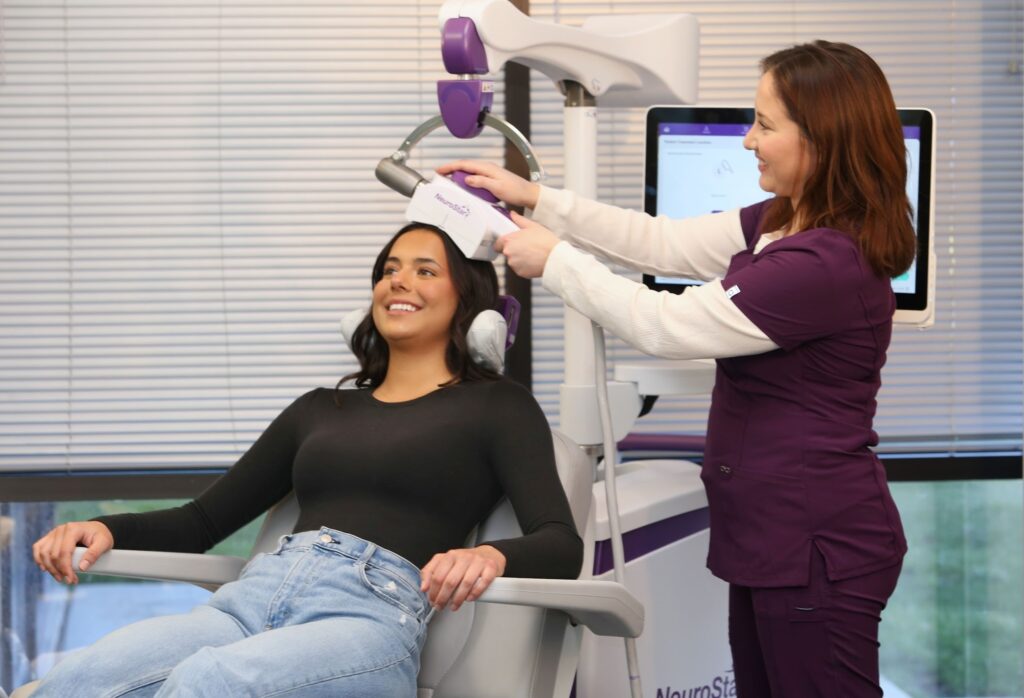
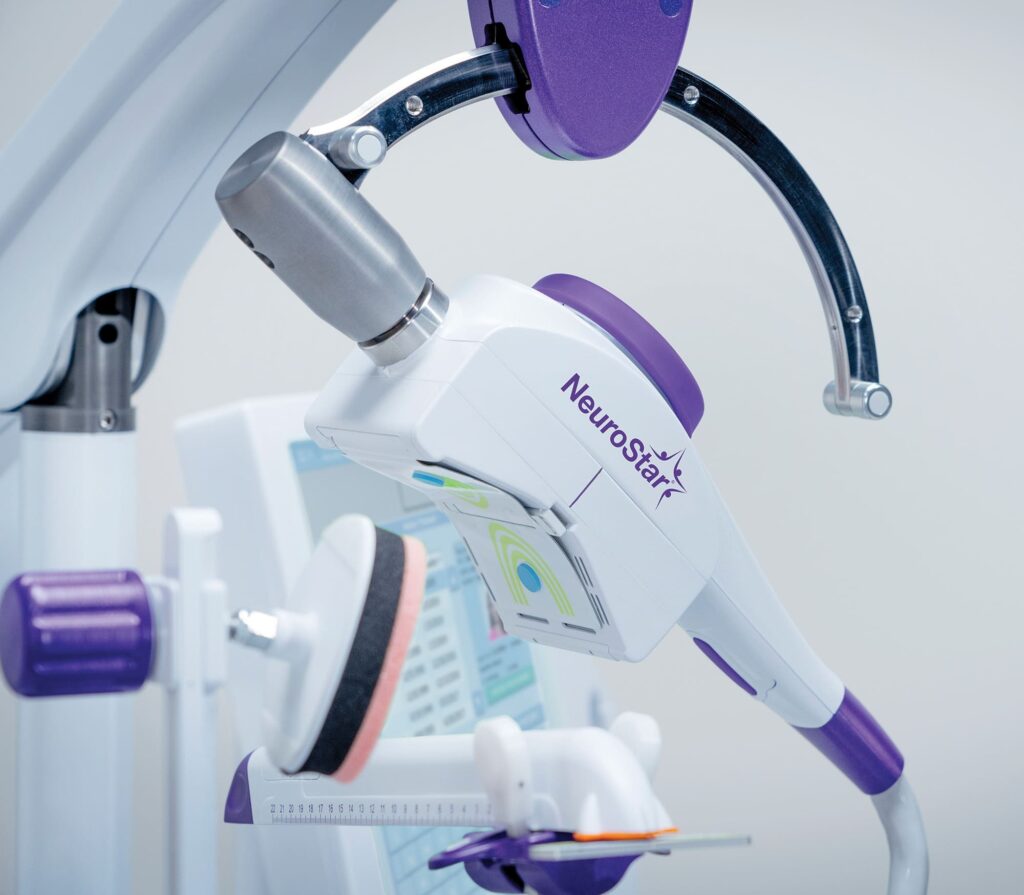
TMS uses an electromagnetic coil positioned against the scalp to deliver magnetic pulses. Depending on the treatment protocol, stimulation is directed toward brain regions involved in mood regulation and other relevant neural networks.
It is important not to describe this process as simply “rewiring the brain.” The exact biological mechanisms through which TMS produces antidepressant effects are still being studied. Research suggests that repeated stimulation can influence neural activity and connectivity within brain networks associated with depression.
Mayo Clinic notes that TMS for depression generally involves daily treatment sessions five times a week for four to six weeks, and that symptom relief may take several weeks to develop.
Mayo Clinic: Transcranial magnetic stimulation
There are several reasons why a patient may not notice immediate improvement:
- The treatment involves repeated stimulation rather than a single therapeutic exposure.
- Depression symptoms and treatment response vary considerably between individuals.
- Sleep, stress, medications, co-occurring psychiatric conditions, and other factors may affect how symptoms change over time.
- Some patients may require a longer treatment course based on their response and clinical assessment.
For this reason, stopping treatment after only a few sessions may make it difficult to determine whether TMS is effective for a particular patient.
What Happens Week by Week During TMS Treatment?
The TMS treatment timeline varies from person to person. The following is a general overview rather than a guarantee of what any individual patient will experience.
| Timeline | Possible Experiences | What It May Mean |
|---|---|---|
| Week 1 | Some patients experience scalp discomfort, tapping sensations, headaches, or little noticeable change in mood. | The patient is beginning the treatment course and becoming accustomed to stimulation. |
| Week 2 | Some patients begin noticing changes in sleep, energy, concentration, or motivation. | Early changes may occur, although they do not necessarily predict the final outcome. |
| Weeks 3–4 | Some patients report reduced depressive symptoms, improved emotional responsiveness, or less rumination. | For some patients, more noticeable clinical improvement develops during this period. |
| Weeks 5–6 | Patients who respond may experience more consistent improvements in mood and daily functioning. | Later treatment sessions can be important for patients who respond gradually. |
| After treatment | Some patients continue to experience improvement after completing the initial course. | Follow-up care helps determine whether additional treatment or other ongoing strategies are appropriate. |
Some patients respond earlier, while others respond later in the treatment course. Research involving specific TMS protocols has also documented later responses. For example, a large real-world study of Deep TMS using the H1 coil reported a median onset of sustained response at 16 sessions, or approximately 21 days. This finding applies to that particular treatment system and study population and should not be interpreted as a universal timeline for every form of TMS.
PubMed: Deep TMS H1 Coil Treatment for Depression
At Embracing Life Today, clinicians can monitor symptoms throughout treatment to distinguish gradual improvement from temporary fluctuations and determine whether adjustments are appropriate.
NeuroStar TMS Therapy: Key Details
| Feature | Details |
|---|---|
| Major Depressive Disorder | NeuroStar Advanced Therapy is FDA-cleared for the treatment of depressive episodes in appropriate patients with major depressive disorder who have not achieved satisfactory improvement from previous antidepressant medication treatment in the current episode. |
| Depression With Anxiety Symptoms | NeuroStar is also FDA-cleared for decreasing anxiety symptoms in adults with major depressive disorder who have not achieved satisfactory improvement from previous antidepressant medication treatment. |
| Obsessive-Compulsive Disorder | NeuroStar is FDA-cleared as an adjunctive treatment for OCD in adults. |
| Office-Based Treatment | TMS is generally performed in an outpatient clinical setting and does not require general anesthesia. |
| Insurance Coverage | Insurance coverage varies by plan, diagnosis, treatment history, and payer requirements. |
| Safety Screening | Patients are evaluated for factors that may make TMS inappropriate or require additional precautions, including certain implanted devices and seizure-related risks. |
For current information about NeuroStar indications and safety information, see the manufacturer’s official guidance:
NeuroStar TMS Safety and Indications
Is It Normal to Feel Worse During TMS?
Some patients experience temporary changes in symptoms or side effects during a TMS treatment course. A temporary increase in fatigue, headache, scalp discomfort, anxiety, or other symptoms does not automatically mean that treatment is failing.
However, it is not appropriate to assume that any worsening is simply a normal “TMS dip.” New or worsening symptoms should be discussed with the treating clinician so they can determine whether monitoring, treatment adjustments, or another evaluation is necessary.
Common short-term effects reported with TMS can include:
- Scalp discomfort or sensitivity.
- Mild headache.
- Facial or scalp muscle twitching during stimulation.
- Fatigue or lightheadedness in some patients.
- Temporary changes in mood or anxiety.
Clinicians should pay particular attention to significant or unexpected changes, including suicidal thoughts, severe mood changes, new neurological symptoms, or other concerning reactions.
TMS has a low but recognized risk of seizure. The risk varies according to treatment protocol, device, stimulation parameters, and patient-specific factors. Appropriate screening and adherence to established safety guidelines are therefore important.
Why Do Some People Respond Faster Than Others?
TMS does not work at the same speed for everyone. Treatment response can be influenced by the severity and duration of depression, previous treatment history, adherence to appointments, co-occurring psychiatric conditions, medications, and other individual factors.
For example, someone with long-standing treatment-resistant depression may respond differently from someone with a shorter or less complex illness. Different diagnoses and TMS protocols may also require different treatment approaches.
Several factors can influence the course of treatment:
- Symptom Profile: The severity, duration, and characteristics of depressive symptoms can influence treatment response.
- Co-occurring Conditions: Anxiety, OCD, and other psychiatric conditions may affect the overall treatment plan.
- Treatment Adherence: Consistently attending scheduled sessions is important when completing a TMS course.
- Concurrent Medications: Your clinician should review current medications and other treatments as part of the overall treatment plan.
- Technical Factors: Treatment location, stimulation intensity, frequency, and protocol can affect how TMS is delivered.
- Individual Differences: People differ in their underlying biology and response to neuromodulation.
Research is also evaluating accelerated and modified TMS schedules. These approaches should not be assumed to produce the same outcomes as standard treatment courses, and their appropriateness depends on the specific protocol and clinical setting.
At Embracing Life Today, clinicians can consider your treatment history, symptoms, clinical goals, and practical circumstances when developing a TMS treatment plan.
What Are the First Signs That TMS Is Working?
The first signs of improvement are often subtle. Rather than experiencing an immediate dramatic change in mood, some patients notice changes in everyday functioning.
Possible early changes include:
- Sleep: Falling asleep more easily or experiencing more consistent sleep.
- Energy: Having somewhat more physical or mental energy during the day.
- Emotional Responsiveness: Feeling less emotionally numb or disconnected.
- Task Initiation: Finding routine tasks somewhat easier to start.
- Focus: Being able to concentrate for longer periods.
- Mental Clarity: Feeling less mentally clouded.
- Thought Patterns: Experiencing fewer repetitive negative thoughts.
These changes are not guaranteed signs that TMS will ultimately be successful. They are simply examples of changes some patients may notice during treatment.
Formal symptom assessments are useful because they allow clinicians to track changes over time rather than relying only on day-to-day impressions.
If family members or friends notice positive changes, those observations can also be discussed with the treating clinician. They may provide useful additional information about changes in daily functioning.
What If TMS Does Not Work After Several Weeks?
Not feeling better immediately does not necessarily mean that TMS has failed. Some patients respond later in the treatment course, while others may not respond sufficiently even after completing treatment.
A study of Deep TMS using the H1 coil found that sustained response often began within approximately 20 sessions, while also reporting that some initial non-responders benefited from extended treatment. Again, these results apply to the specific treatment protocol and study population rather than every form of TMS.
If symptoms have not improved after several weeks, the treating clinician may reassess the treatment plan. Depending on the individual circumstances, this could involve:
- Technical Review: Reviewing treatment positioning, stimulation parameters, or protocol selection.
- Course Extension: Considering additional sessions when clinically appropriate.
- Medication Review: Evaluating current medications and their role in the overall treatment plan.
- Psychotherapy: Continuing or adding psychotherapy when appropriate.
- Alternative Treatment: Considering other evidence-based treatments if TMS is not producing sufficient improvement.
TMS does not work for everyone. Appropriate candidacy depends on the patient’s diagnosis, treatment history, medical history, implanted devices, medications, and other safety considerations.
For patients considering NeuroStar treatment, understanding how NeuroStar Advanced TMS Therapy works can help explain the treatment process and the importance of individualized clinical assessment.
How Long Do TMS Results Usually Last?
When TMS is effective, improvement can persist after the initial treatment course, but the duration varies from person to person. Depression can recur, and some patients may require additional treatment in the future.
It is important not to promise that TMS results will last for a specific number of months or years. Long-term outcomes depend on factors such as the patient’s psychiatric history, ongoing treatment, symptom recurrence, and individual response.
After an initial TMS course, ongoing depression care may include:
- Psychiatric Follow-Up: Regular appointments to monitor symptoms and overall progress.
- Medication Management: Continuing or adjusting prescribed medications when appropriate.
- Psychotherapy: Continuing therapy as part of long-term depression management.
- Lifestyle Support: Maintaining healthy sleep, physical activity, social connection, and daily routines.
- Additional TMS: In some cases, a clinician may consider another course of TMS if symptoms return and the patient previously benefited from treatment.
Mayo Clinic notes that if depression improves with rTMS and symptoms later return, another course may be considered. The need for additional treatment should be determined by the treating clinician.
Mayo Clinic: Transcranial magnetic stimulation
Recovery Takes Time, But Progress Is Possible
TMS treatment requires patience because symptom improvement often develops over multiple sessions rather than after a single appointment. Some patients notice early changes, while others need more time before they experience meaningful improvement.
Temporary side effects or symptom fluctuations can occur during treatment, but significant or concerning changes should always be discussed with the treating clinician rather than assumed to be part of the normal treatment process.
At Embracing Life Today, NeuroStar TMS is offered as part of a broader mental health treatment plan. If you are experiencing treatment-resistant depression or another condition for which TMS may be appropriate, a psychiatric evaluation can help determine whether this treatment is right for you.
Frequently Asked Questions
Can TMS Improve Focus and Cognitive Function?
Some patients report improvements in concentration, mental clarity, and daily functioning as depressive symptoms improve. However, TMS should not be presented as a guaranteed cognitive-enhancement treatment. Changes in focus may also reflect improvement in depression itself.
Does TMS Work for Anxiety and OCD Together?
TMS protocols differ depending on the condition being treated. NeuroStar is FDA-cleared for decreasing anxiety symptoms in adults with major depressive disorder who have not achieved satisfactory improvement from previous antidepressant medication treatment, and it is FDA-cleared as an adjunctive treatment for OCD in adults. Whether TMS is appropriate for someone experiencing both anxiety and OCD depends on their individual diagnosis and treatment plan.
Are TMS Scalp Sensitivity and Headaches Normal?
Scalp discomfort and headache are among the more common side effects associated with TMS. They are often mild and temporary, but patients should tell their treatment team if discomfort is severe, persistent, or difficult to tolerate. Treatment parameters may sometimes be adjusted to improve comfort.
Can TMS Be Combined With Antidepressants and Therapy?
Yes. TMS may be used alongside medication management and psychotherapy when clinically appropriate. The combination of treatments should be individualized based on the patient’s diagnosis, symptoms, treatment history, and clinical needs.