Board-certified psychiatrist Dr. Melissa Fickey shares her perspective on recognizing and addressing depression before symptoms become more severe.
Dr. Melissa Fickey, board-certified psychiatrist and founder of Embracing Life Wellness Center, has dedicated her career to helping patients navigate a wide range of mental health concerns. An important part of that care is helping patients recognize and address symptoms of depression before they significantly impact their daily lives.
Subtle changes in mood, energy, motivation, or daily functioning can sometimes be early signs that something more is going on. We sat down with Dr. Fickey to discuss what she wishes patients and families understood about recognizing depression, seeking help earlier, and exploring next steps when previous treatments haven’t provided enough relief.
Q. What are some early signs of depression that you feel patients or families tend to overlook or dismiss?
Dr. Fickey: Depression doesn’t always look like someone being visibly sad. Sometimes the earlier signs are more subtle, like losing interest in things they normally enjoy, withdrawing from friends or family, irritability, changes in sleep or appetite, difficulty concentrating, low energy, or a decline in work or school performance. I think it’s important to pay attention when someone just doesn’t seem like themselves or you start noticing changes in how they’re functioning day to day.
Q: What would you want someone to know if they’re questioning whether what they’re experiencing is “serious enough” to seek help?
Dr. Fickey: You don’t have to wait until you’re in crisis to seek help. If you’ve noticed persistent changes in your mood, motivation, relationships, work or school performance, or overall quality of life, that’s enough reason to have a conversation with a mental health professional.
Sometimes people wait because they think their symptoms aren’t “bad enough,” but getting evaluated earlier can help us understand what’s going on and what options may be available before things become more difficult.
Q: What do you commonly see with patients who wait until their symptoms have significantly worsened before seeking treatment?
Dr. Fickey: By the time some patients come to us, their symptoms have already started affecting multiple areas of their lives, such as their relationships, work, school, sleep, or ability to do things they normally enjoy. Mental health care shouldn’t only begin once someone reaches a breaking point. The earlier we can evaluate what’s happening, the sooner we can start working toward finding the right treatment approach.
Q: If someone has tried treatment before and is still struggling, what would you want them to know about reevaluating their diagnosis or exploring other treatment options?
Dr. Fickey: Just because one treatment, or even several treatments, haven’t worked doesn’t mean you’re out of options. Sometimes we need to take another look at the diagnosis, adjust medications, or consider a different treatment approach altogether. Mental health treatment is very individualized, and what works for one person may not work for another.
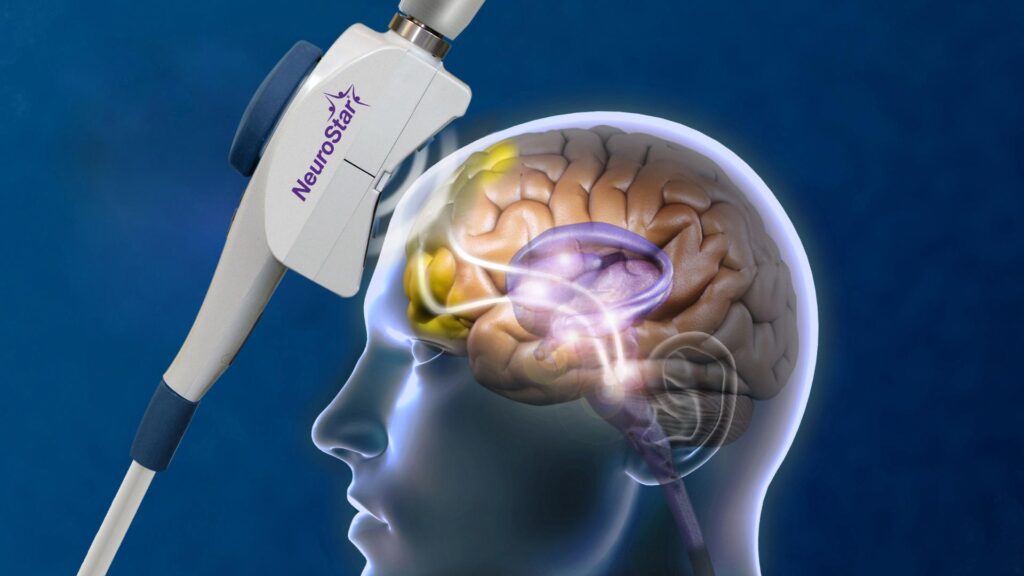
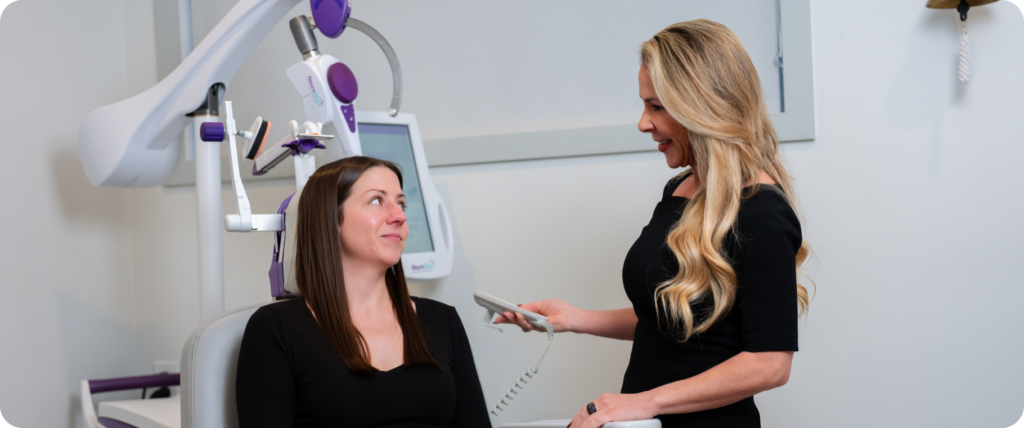
We also have options like TMS (Transcranial Magnetic Stimulation), a noninvasive treatment that uses magnetic pulses to stimulate areas of the brain involved in mood regulation. TMS can be particularly beneficial for patients who haven’t responded well to medications or have struggled with side effects, offering a different approach to treating depression. The important thing is not to assume that because something hasn’t worked before, nothing will. Sometimes finding the right treatment means exploring options beyond what has already been tried.
Q: Is there anything you wish families better understood about supporting a loved one who may be experiencing depression?
Dr. Fickey: Depression isn’t something someone can simply “snap out of,” and it can be difficult for family members to understand why their loved one may be withdrawing or behaving differently. One of the most helpful things you can do is listen without judgment, pay attention to changes in their behavior or functioning, and encourage them to seek professional help when needed. Sometimes having someone recognize that you’re struggling and support you in getting help can make a big difference.